>>

A beloved, tangy-sweet roast with prunes, olives, and capers — marinated overnight and roasted until golden, perfect with crusty bread or rice.
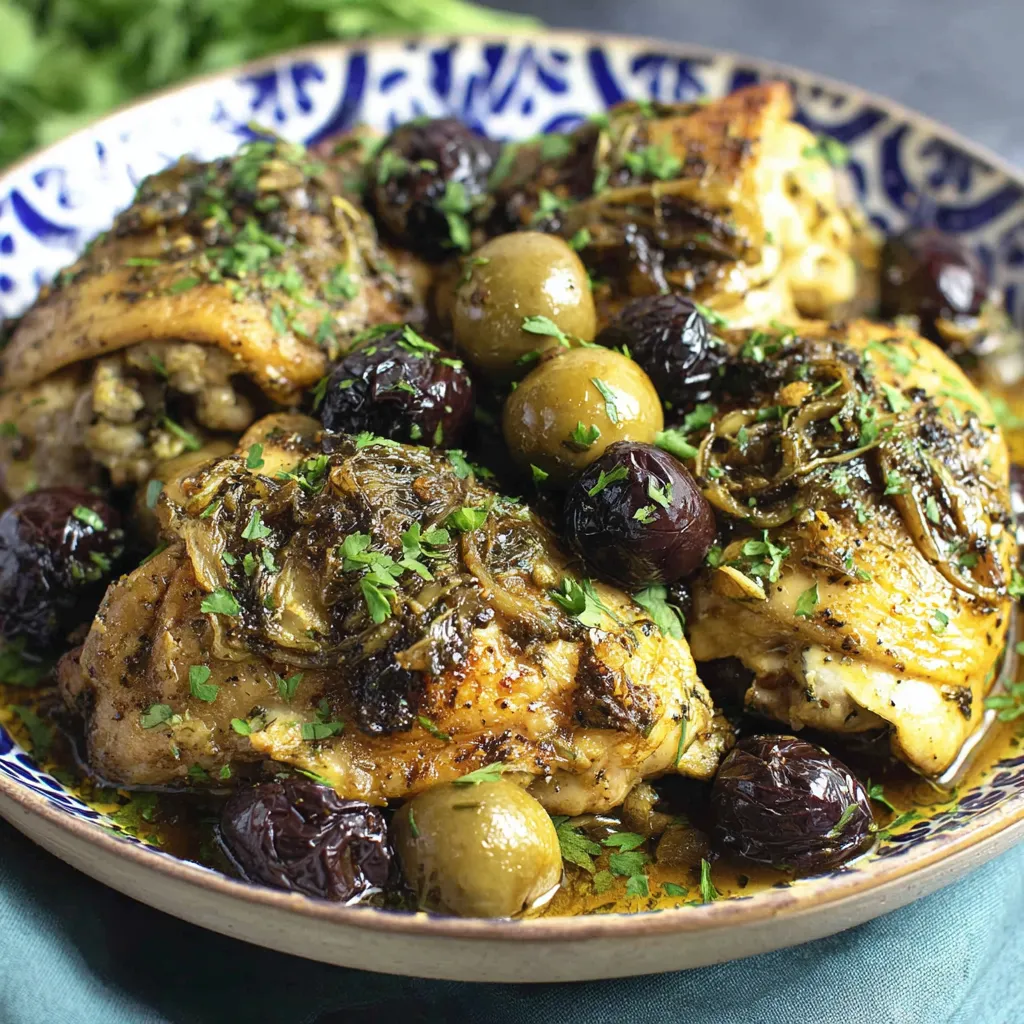
This Chicken Marbella has been a centerpiece at family gatherings for years — a dish that balances sweet, salty, and bracingly bright flavors in a way that always gets people reaching for a second helping. I first discovered this combination when combing through an old cookbook at my grandmother's house; the mix of prunes, olives, capers, and brown sugar sounded unlikely, but after the first bite I understood why it has endured. The skin turns golden and slightly caramelized while the interior stays succulent, and the pan sauce — a glossy meld of wine, vinegar, and brine — is irresistible with a slice of crusty bread.
What I love most is how forgiving the method is: a long, simple marinate and a hands-off roast produce restaurant-worthy results with minimal stress. I usually use bone-in thighs and drumsticks because they stay juicy through the roast, and I’ll often make an extra pan just so there’s enough sauce to spoon over rice or couscous. This version follows the classic proportions but includes small technique notes that make the outcome reliably excellent in my kitchen.
My family always notices the prunes — they add a sweet depth that ties the whole dish together. The first time I served this for friends, everyone asked for the recipe, and my brother declared it “better than any restaurant.” I’ve repeated it for holidays and weeknights alike; it’s one of those recipes that rewards patience with delicious payoff.
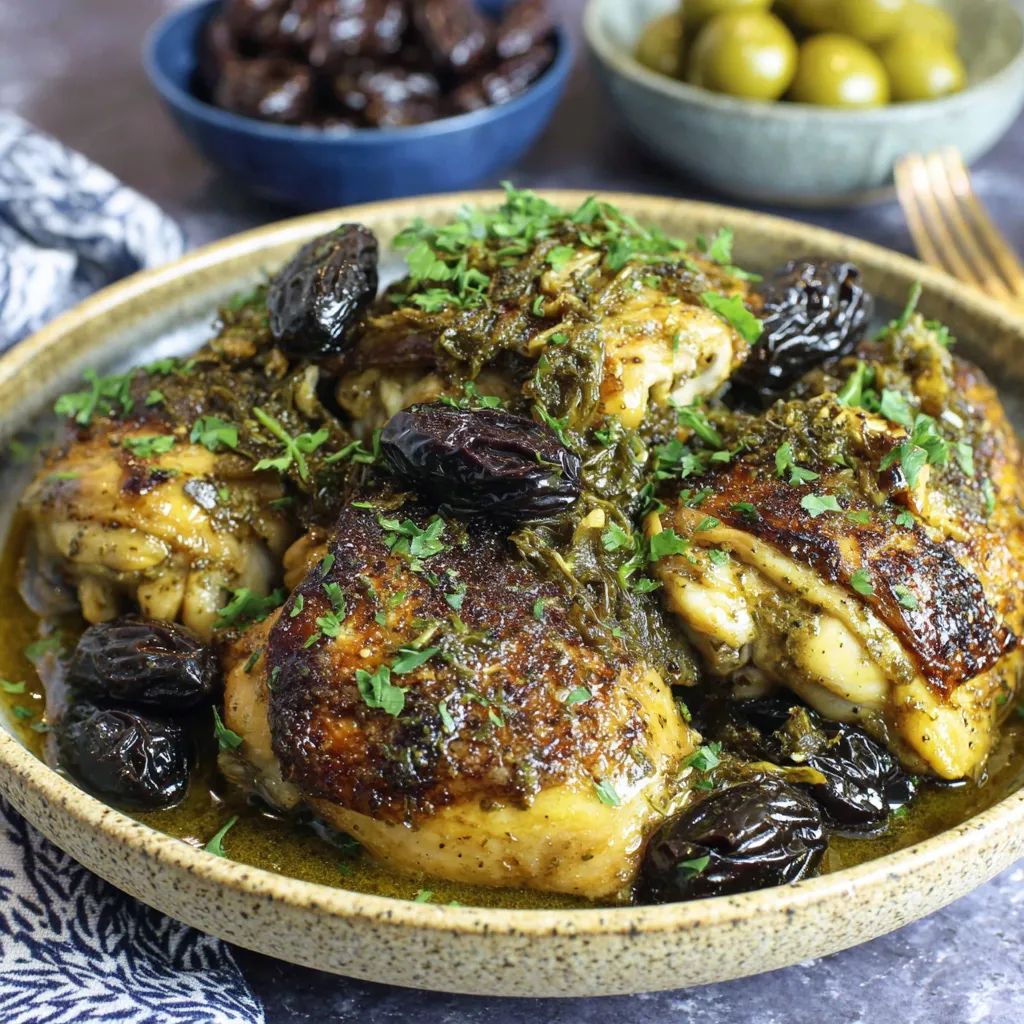
What I love most is how the prunes melt into the pan juices, creating a sauce that feels decadent but is built from humble ingredients. The first time I served this for a busy holiday meal, everyone scraped the platter clean — even those who claim not to like olives came away converted. It’s one of those dishes that brings people together around the table.
Cool leftovers within two hours and refrigerate in shallow airtight containers for up to three days. For longer storage, freeze portions in heavy-duty freezer bags for up to three months — remove excess air to prevent freezer burn. Thaw overnight in the refrigerator, then reheat gently in a 325°F oven until warmed through, spooning pan juices over the meat to prevent drying. For meal prep, divide chicken and sauce into single-serve containers so reheating is quick and the sauce keeps the meat moist.
If prunes are unavailable, use dried apricots or figs for a different sweet note; apricots will be tangier and lighter in color. Swap Spanish green olives for Kalamata for a darker, fruitier brine — reduce added salt if using especially salty olives. If you prefer no alcohol, replace the white wine with low-sodium chicken stock and an extra tablespoon of vinegar to maintain acidity. For a lower-sugar option, cut brown sugar to 2–3 tablespoons — you’ll lose some caramelization but keep balanced flavors.
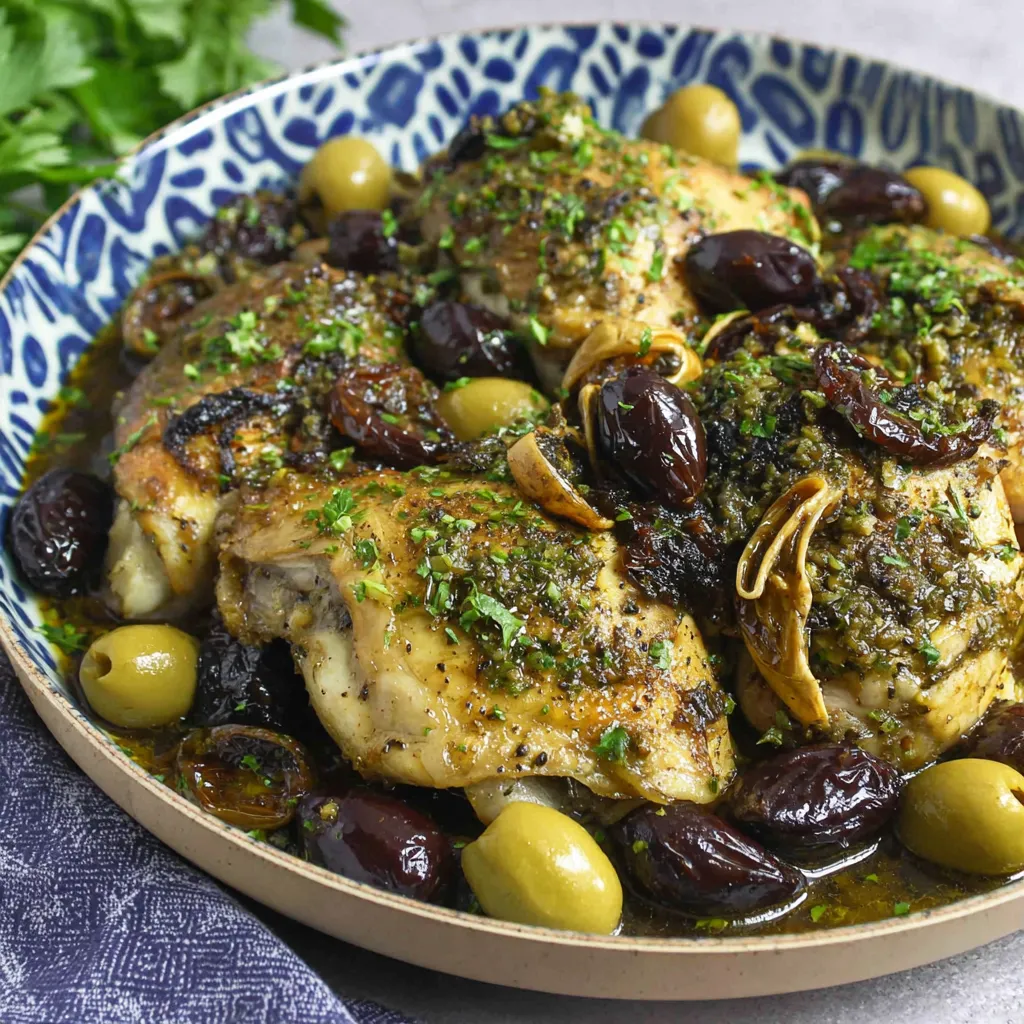
Serve with crusty country bread to sop up the sauce, or pair with fluffy couscous or steamed rice for a more substantial meal. A simple green salad dressed with lemon and olive oil balances the richness, and roasted seasonal vegetables make a good accompaniment. For special occasions, present the platter family-style with extra parsley and lemon wedges so guests can customize brightness. Leftover chicken also shines shredded into grain bowls or tossed with pasta.
Chicken Marbella traces roots to a classic American adaptation of Mediterranean flavors made famous by a late 20th-century cookbook that celebrated pantry-friendly global ingredients. The combination of prunes, olives, and capers reflects Moorish and Mediterranean influences where sweet and savory mingle in stews and tagines. Over time, this elegant, rustic combination became a favorite for dinner parties because it’s both unexpected and crowd-pleasing.
In winter, add a few whole roasted shallots to the pan for caramelized sweetness; in summer, substitute fresh stone fruits like halved plums for prunes to introduce bright, juicy notes. For holiday service, double the recipe and roast on multiple pans, finishing the sauce on the stovetop to concentrate flavors. For a lighter spring version, reduce brown sugar and increase fresh herbs at the end for a lively, green finish.
To plan ahead, marinate the poultry the day before and refrigerate. On the day of serving, let the chilled pieces sit at room temperature for 20 minutes before roasting to promote even cooking. Use disposable aluminum pans for easy transport to potlucks, and keep extra pan juices in a sealed container to reheat and spoon over slices. Scale the recipe down for weekday dinners; two pounds of chicken will serve four comfortably.
This preparation combines approachability with sophistication; once you try it, you’ll find it becomes a go-to for both weeknight comfort and celebratory tables. Give it a whirl, make it your own with small swaps, and enjoy the way it brings people together.
Marinate at least 6 hours, preferably overnight, to build flavor and tenderize meat.
Use bone-in dark meat for optimal juiciness; adjust cooking time if using breasts.
Distribute prunes and olives across the pan so every piece gets both sweet and briny elements.
Pour wine around the chicken to keep the brown sugar on top and encourage caramelization.
Tent with foil if the skin is browning too fast to prevent burning while the interior finishes cooking.
This nourishing classic chicken marbella recipe is sure to be a staple in your kitchen. Enjoy every moist, high protein slice — it is perfect for breakfast or as a wholesome snack any time.
Yes — marinating overnight is best, but a minimum of 6 hours will impart good flavor.
Reheat gently in a 325°F oven and spoon pan juices over chicken to keep it moist. Avoid high heat that can dry the meat.
This Classic Chicken Marbella recipe makes perfectly juicy, tender, and flavorful steak every time! Serve with potatoes and a side salad for an unforgettable dinner in under 30 minutes.
In a large bowl or zip-top bag mix garlic, oregano, salt, pepper, red wine vinegar, olive oil, prunes, olives, capers (with some juice), and bay leaves. Add chicken pieces and turn to coat thoroughly. Cover and refrigerate for at least 6 hours or overnight, turning occasionally.
Remove the chicken from the refrigerator about 20 minutes before roasting to take the chill off. Preheat the oven to 350°F to ensure even cooking and reliable browning.
Arrange marinated chicken skin-side up in a single layer in a large roasting pan so heat circulates and skin crisps. Distribute prunes and olives evenly across the pieces.
Sprinkle 1/2 cup brown sugar evenly over the chicken. Pour 1 cup dry white wine around the pieces (not directly over them) to keep sugar on top for caramelization while wine provides moisture and deglazes the pan.
Roast at 350°F for 50–60 minutes, basting occasionally with pan juices. Check for deep golden skin and an internal temperature of 165°F in the thickest part of the thigh. Tent with foil if browning too quickly.
Transfer chicken to a serving platter, spoon prunes, olives, and capers over the top, and drizzle with pan juices. Garnish with chopped parsley and serve hot with bread, couscous, or rice.
Last Step: Please leave a rating and comment letting us know how you liked this recipe! This helps our business to thrive and continue providing free, high-quality recipes for you.
Leave a comment & rating below or tag
@epicula on social media!
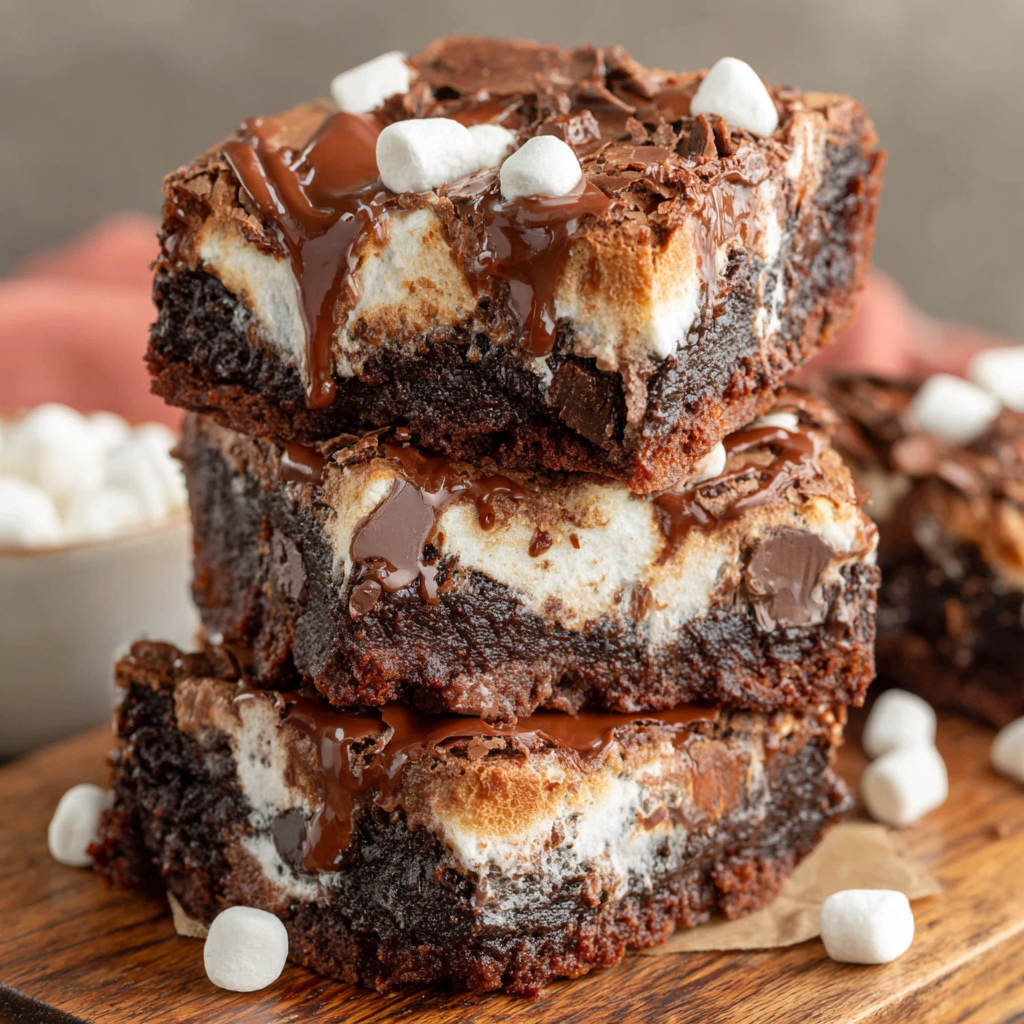
Ultra-fudgy brownies crowned with toasted mini marshmallows and warm cocoa icing, with molten chocolate pockets in every bite.
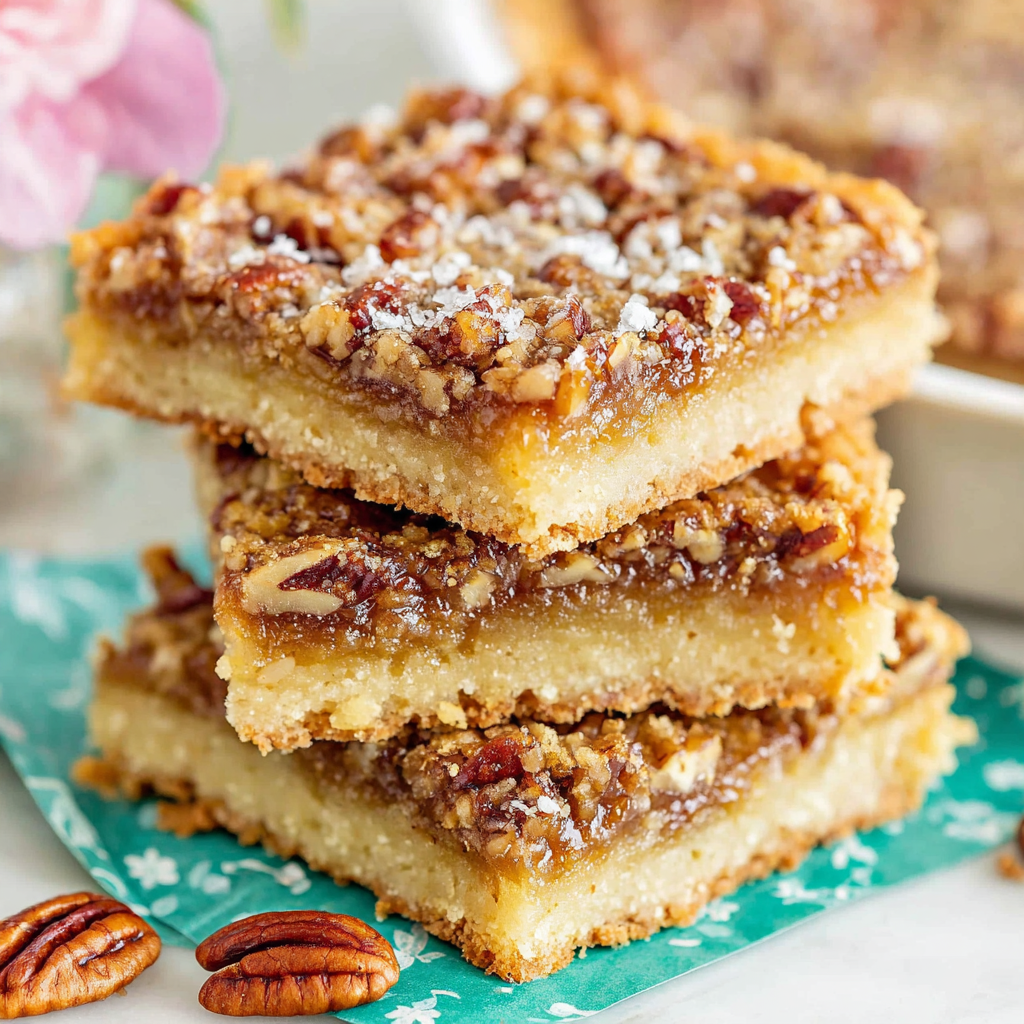
Buttery shortbread crust topped with a gooey brown sugar pecan filling. Just 10 minutes to prep for bakery-worthy bars with irresistible crunch.
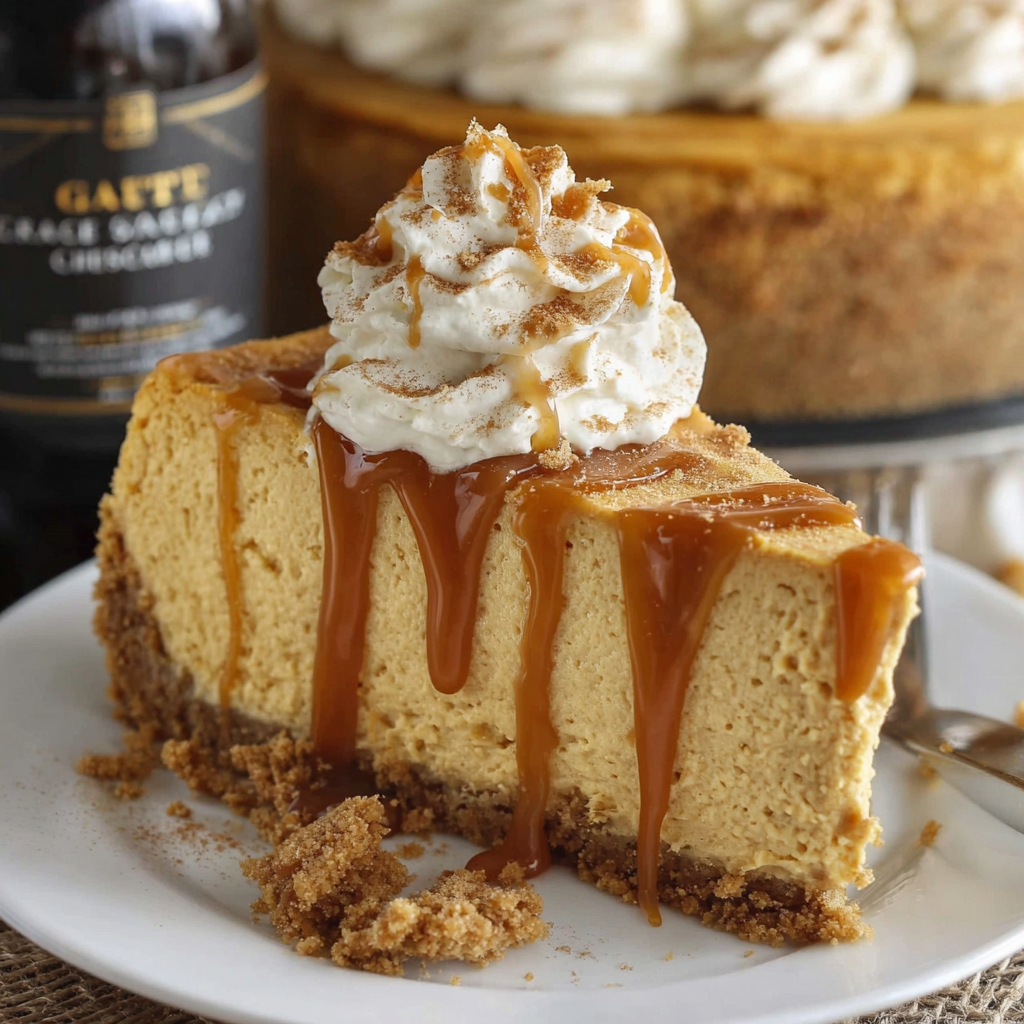
Ultra-creamy pumpkin cheesecake with a graham crust, bakes without cracks, and shines with caramel and rum-kissed whipped cream.
Leave a comment & rating below or tag @epicula on social media!
Enjoyed this recipe? Share it with friends and family, and don't forget to leave a review!
This recipe looks amazing! Can't wait to try it.
Comments are stored locally in your browser. Server comments are displayed alongside your local comments.

Join to receive our email series which contains a round-up of some of our quick and easy family favorite recipes.