>>

Juicy oven-baked meatballs simmered in tangy tomato sauce, topped with melted mozzarella and fresh basil—an easy, crowd-pleasing dinner perfect for weeknights and gatherings.
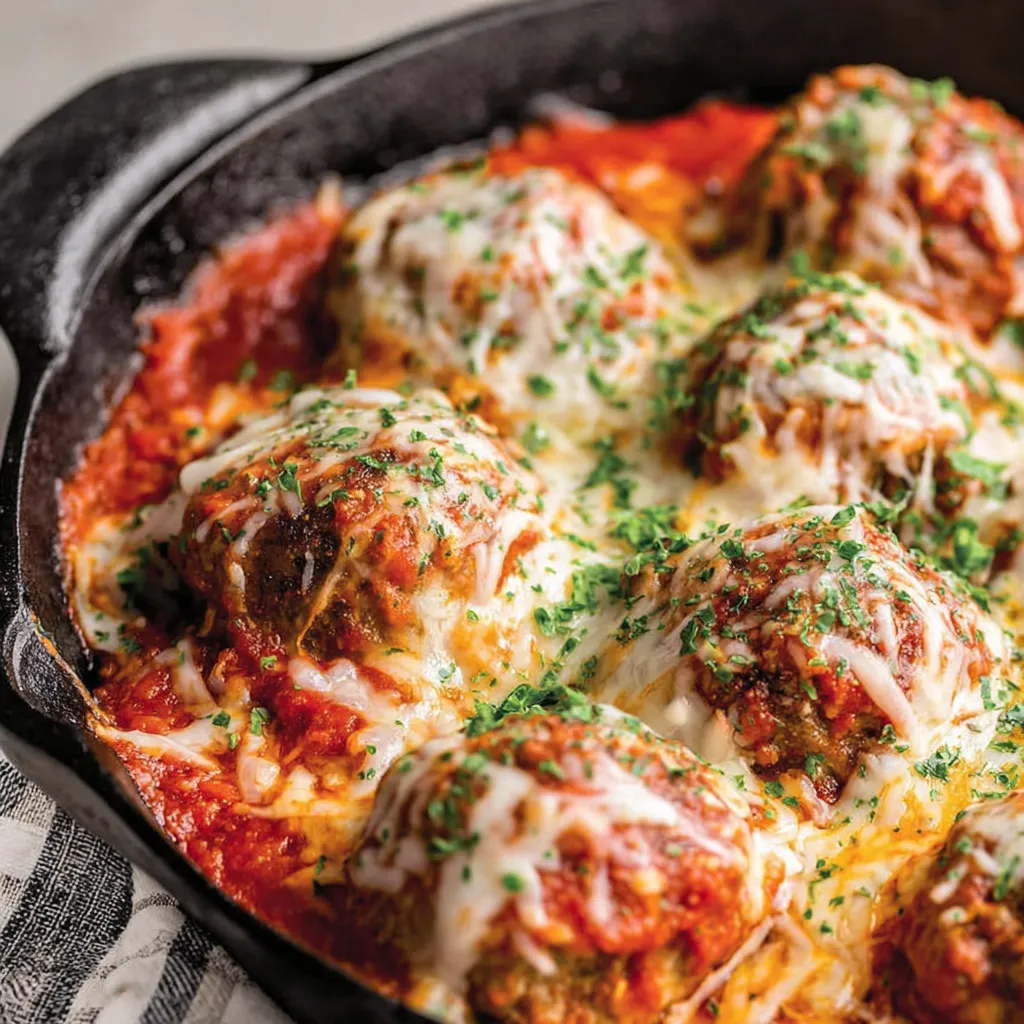
This Meatball Parmesan has been a go-to for family dinners and neighborhood potlucks for years. I first developed this combination of beef and Italian pork on a rainy Sunday when I wanted something hearty, hands-on, and easy to scale for guests. The first bite—a crisp edge giving way to a tender, seasoned center—reminded me of the meatballs my grandmother used to serve, but with a brighter tomato sauce and a silkier bed of melted mozzarella that makes everyone reach for seconds. It’s the kind of dish that fills the kitchen with aroma and invites conversation.
What makes this version special is the balance: lean ground beef for structure, Italian ground pork for juiciness and flavor, and a generous dose of Parmesan folded into the mixture so every bite tastes of cheese and seasoning. The method is forgiving—oven-baking the meatballs first keeps them moist and consistent in texture, then finishing them in sauce and cheese allows flavors to marry while achieving a gratinéed top. Serve over your favorite pasta, tucked into a toasted roll, or plated on its own with a crisp green salad.
In my house this is the recipe everyone asks for when friends come over—kids love the cheesy top, teenagers argue over who gets the biggest meatball, and grown-ups appreciate that the flavors are classic and familiar. I discovered subtle improvements—like gently soaking the breadcrumbs in milk and folding in grated Parmesan—after a few test runs, and those small steps made a big difference in texture and flavor.
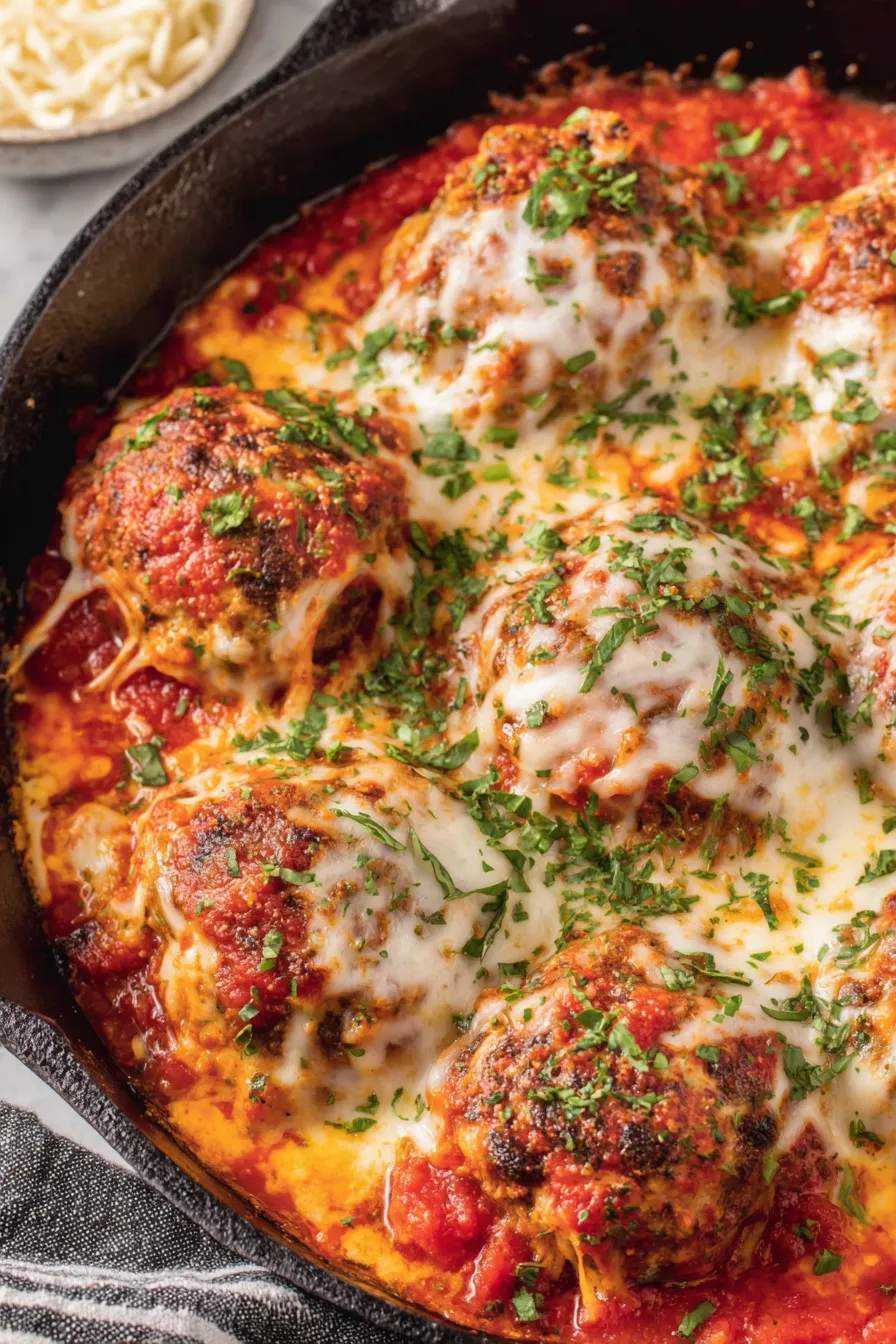
My favorite thing about this dish is the nostalgic crowd-pleasing reaction: the cheesy crackle when you pull foil back, the warm tomato aroma that fills the kitchen, and the way the kids insist on helping roll the meatballs. One time I doubled the recipe for a block party and neighbors kept stopping by for "just one more"—that kind of response is why I keep this on rotation.
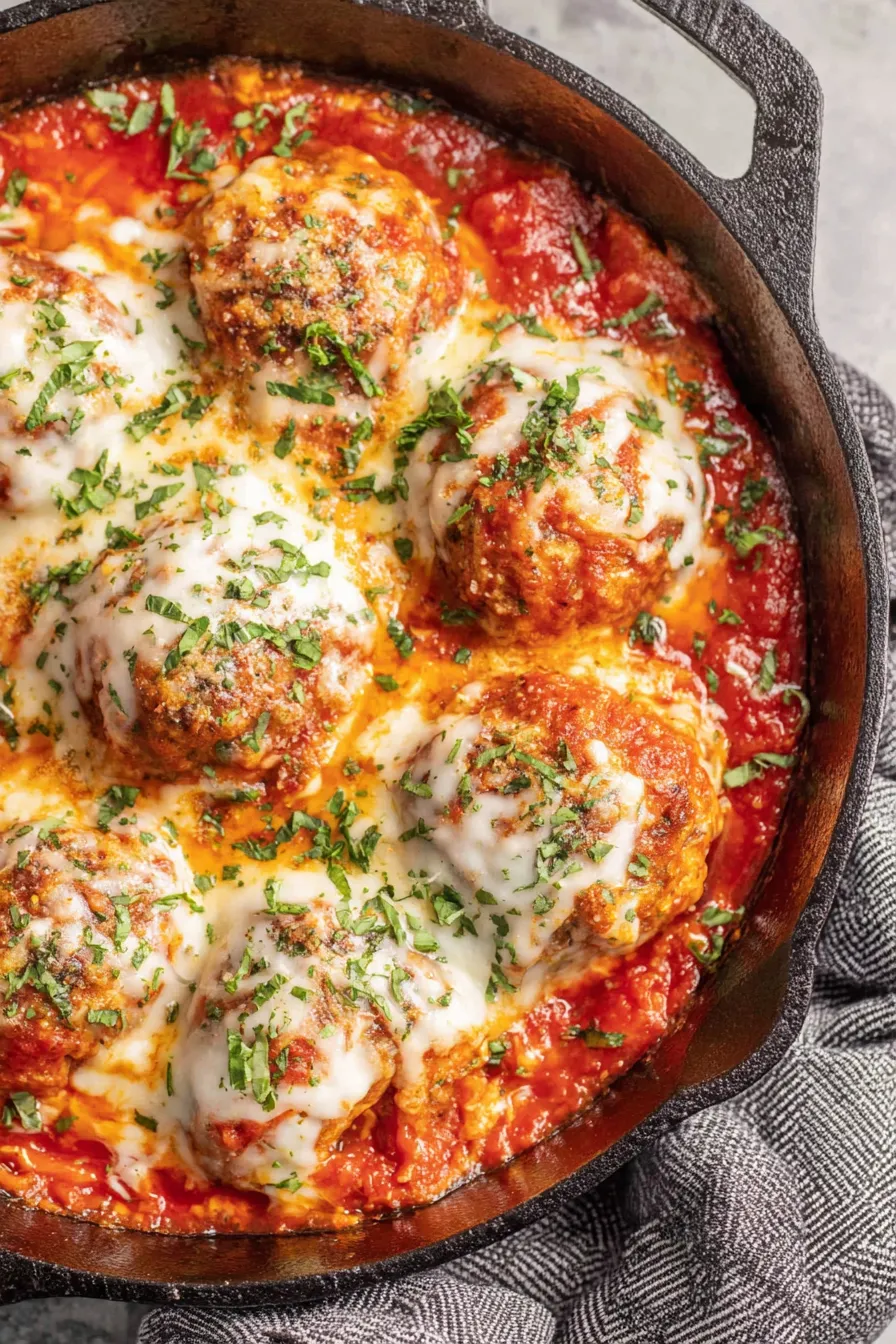
Store cooled meatballs in a shallow airtight container and refrigerate within two hours of cooking; they will keep well for up to four days. For longer storage, freeze baked meatballs and sauce in single-serving containers or a large sealed bag for up to three months. To reheat from frozen, thaw overnight in the fridge and warm in a 325°F oven covered with foil to retain moisture, or simmer gently in a skillet over low heat until warmed through. Avoid microwaving for long periods, which can make the meat rubbery; instead, use low, even heat for best texture.
If you need to adapt the recipe, swap ground pork for ground turkey for a leaner option—add 1 tablespoon olive oil to the mixture to compensate for lost fat. For a gluten-free version, use certified gluten-free breadcrumbs or pulse oats to a coarse texture. Replace whole milk with unsweetened almond milk for a dairy-reduced mix, but note that cheese and mozzarella will still contain dairy unless you use plant-based alternatives. Fresh herbs can replace dried at a 3:1 ratio; reduce fresh quantities to avoid overpowering the mix.
Serve over al dente spaghetti or bucatini tossed in a little of the reserved sauce for a classic presentation. For sandwiches, tuck warm meatballs into a toasted hoagie roll with extra sauce and a sprinkle of additional Parmesan. Pair with a simple arugula salad dressed in lemon vinaigrette to cut through richness, and finish with a glass of medium-bodied red wine or a chilled sparkling water with lemon for contrast.
Meatballs in tomato sauce are a cornerstone of Italian-American home cooking, born from immigrant adaptations combining Old World techniques with New World ingredients. While Italy has many regional meatball traditions—polpette in the south, polpettone variations in the north—the American version often features larger, saucy meatballs served with pasta. This rendition blends Italian seasoning and Parmesan with the American comfort of melted mozzarella, reflecting the hybrid nature of the classic dish.
In summer, use fresh garden basil and add a handful of chopped sun-dried tomatoes to the sauce for brightness. In winter, enrich the sauce with a splash of red wine and a pinch of crushed red pepper for warmth. For holiday gatherings, make mini meatballs and glaze with a balsamic-tomato reduction, serving them as a party appetizer skewered with rosemary sprigs.
Form meatballs and store them raw in a shallow container lined with parchment for up to 24 hours, or freeze them individually on a tray before bagging. When planning lunches, portion meatballs and sauce into microwave-safe containers with a side of quick-cook pasta or roasted vegetables. Label containers with dates and reheat gently to preserve moisture. Making a double batch and freezing half saves hours on weeknights and ensures you have a reliable, home-cooked option ready.
Make this recipe your own—tweak the herbs, swap cheeses, or turn it into a sandwich night. The method is flexible and forgiving, so experiment and enjoy the communal joy that a pan of bubbling meatballs always brings.
Soak the breadcrumbs in milk for a few minutes to keep meatballs tender and prevent dryness.
Use an ice cream scoop for uniform meatballs so they cook evenly.
Shred fresh mozzarella yourself for better melting and avoid anti-caking agents found in pre-shredded cheese.
Let meatballs rest for 5 minutes after baking to allow juices to redistribute for a juicier interior.
This nourishing classic meatball parmesan recipe is sure to be a staple in your kitchen. Enjoy every moist, high protein slice — it is perfect for breakfast or as a wholesome snack any time.
Yes. Formed uncooked meatballs can be frozen on a tray, then transferred to a sealed freezer bag for up to 3 months. Cook from frozen, adding 10–15 minutes to the baking time.
Bake until the internal temperature reaches 160°F for a beef and pork blend. Let them rest 5 minutes before serving so juices redistribute.
This Classic Meatball Parmesan recipe makes perfectly juicy, tender, and flavorful steak every time! Serve with potatoes and a side salad for an unforgettable dinner in under 30 minutes.
Preheat oven to 400°F. Line a large cast iron skillet with aluminum foil to make cleanup easier and to collect juices.
In a large bowl combine ground beef, ground pork, breadcrumbs, milk, garlic, Italian seasoning, onion powder, dried parsley, Parmesan, salt, pepper, and eggs. Mix gently by hand until just combined to avoid toughness.
Use an ice cream scoop (about 2 tablespoons) to portion meatballs and roll between palms into even spheres. Aim for 17 large meatballs or double the portions for smaller sizes.
Place meatballs on the foil-lined skillet and bake at 400°F for 25 minutes for large meatballs (20 minutes for smaller). Look for a browned exterior and about 160°F internal temperature.
Lower oven to 375°F. Remove foil, pour half the pasta sauce into the skillet, return meatballs to the skillet, spoon the remaining sauce over them, and top with shredded mozzarella and additional Italian seasoning.
Cover the skillet with foil and bake at 375°F for 20 minutes. Remove foil and bake another 15–20 minutes until cheese is browned and bubbling. Rest 5 minutes before garnishing with fresh basil.
Last Step: Please leave a rating and comment letting us know how you liked this recipe! This helps our business to thrive and continue providing free, high-quality recipes for you.
Leave a comment & rating below or tag
@epicula on social media!
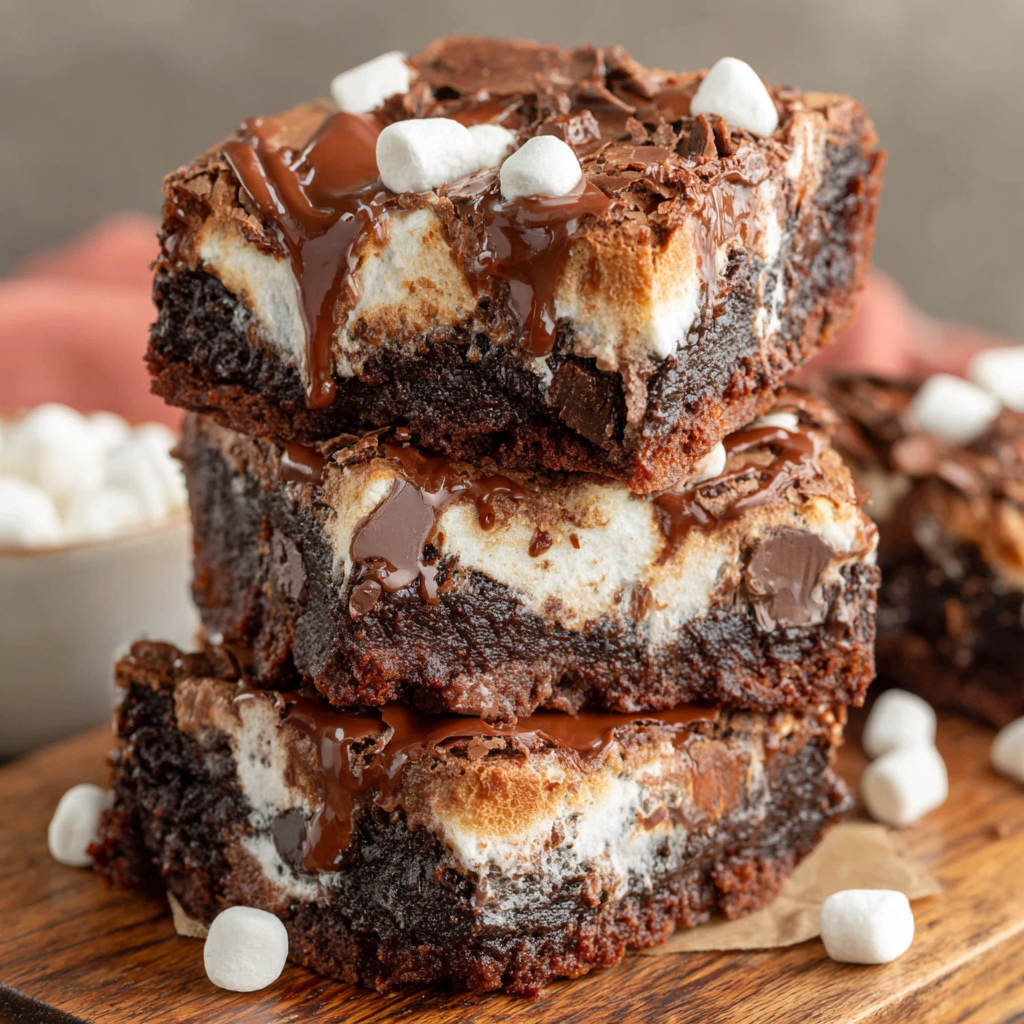
Ultra-fudgy brownies crowned with toasted mini marshmallows and warm cocoa icing, with molten chocolate pockets in every bite.
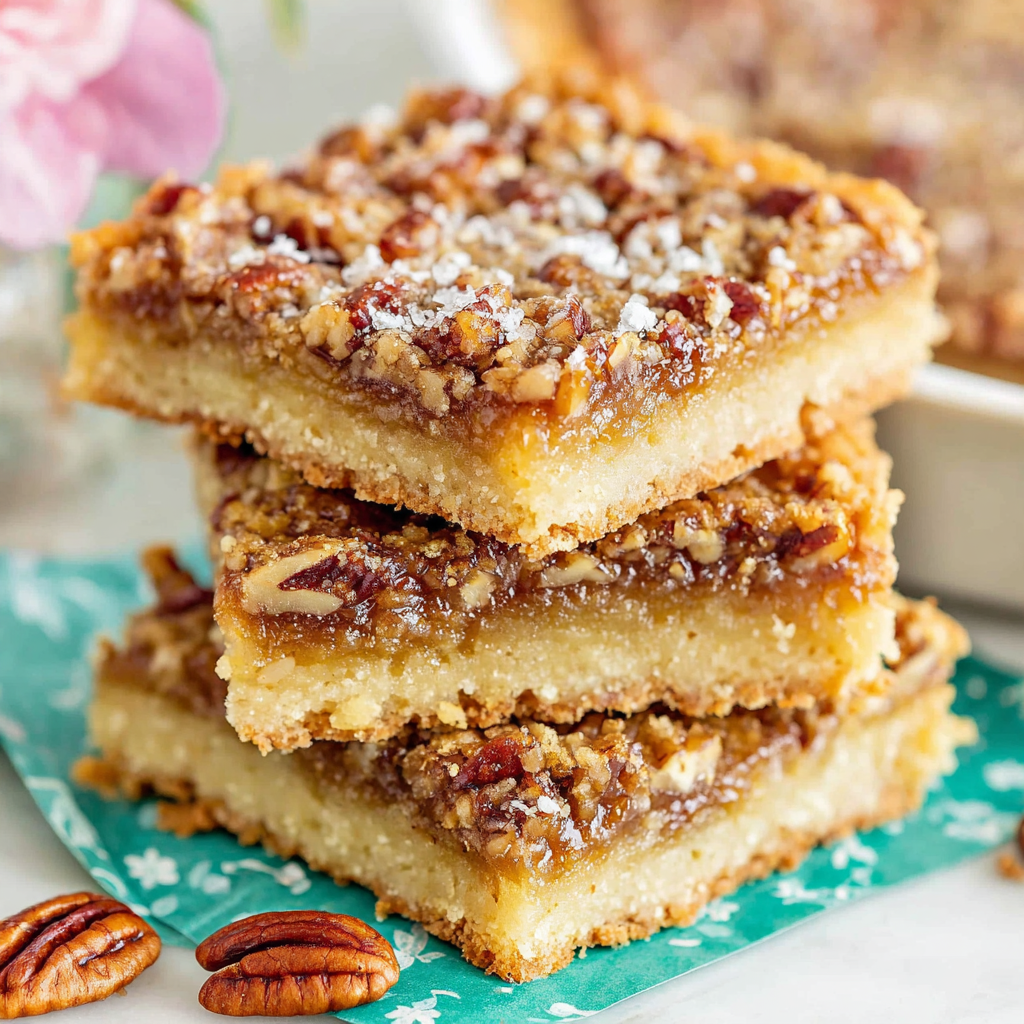
Buttery shortbread crust topped with a gooey brown sugar pecan filling. Just 10 minutes to prep for bakery-worthy bars with irresistible crunch.
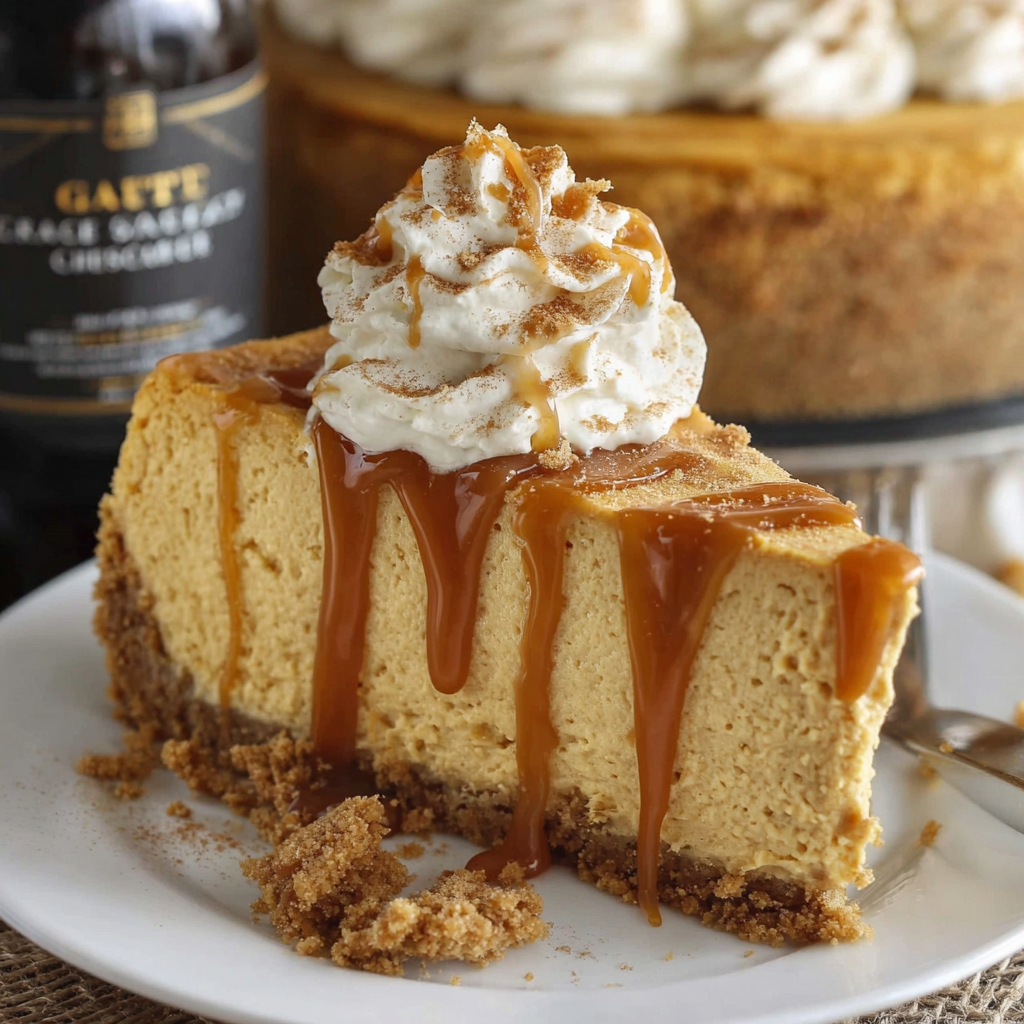
Ultra-creamy pumpkin cheesecake with a graham crust, bakes without cracks, and shines with caramel and rum-kissed whipped cream.
Leave a comment & rating below or tag @epicula on social media!
Enjoyed this recipe? Share it with friends and family, and don't forget to leave a review!
This recipe looks amazing! Can't wait to try it.
Comments are stored locally in your browser. Server comments are displayed alongside your local comments.

Join to receive our email series which contains a round-up of some of our quick and easy family favorite recipes.