>>

Tender, citrus-bright pork shoulder slow-roasted until fall-apart tender, then crisped for addictive edges — perfect for tacos, bowls, and crowd-pleasing meals.
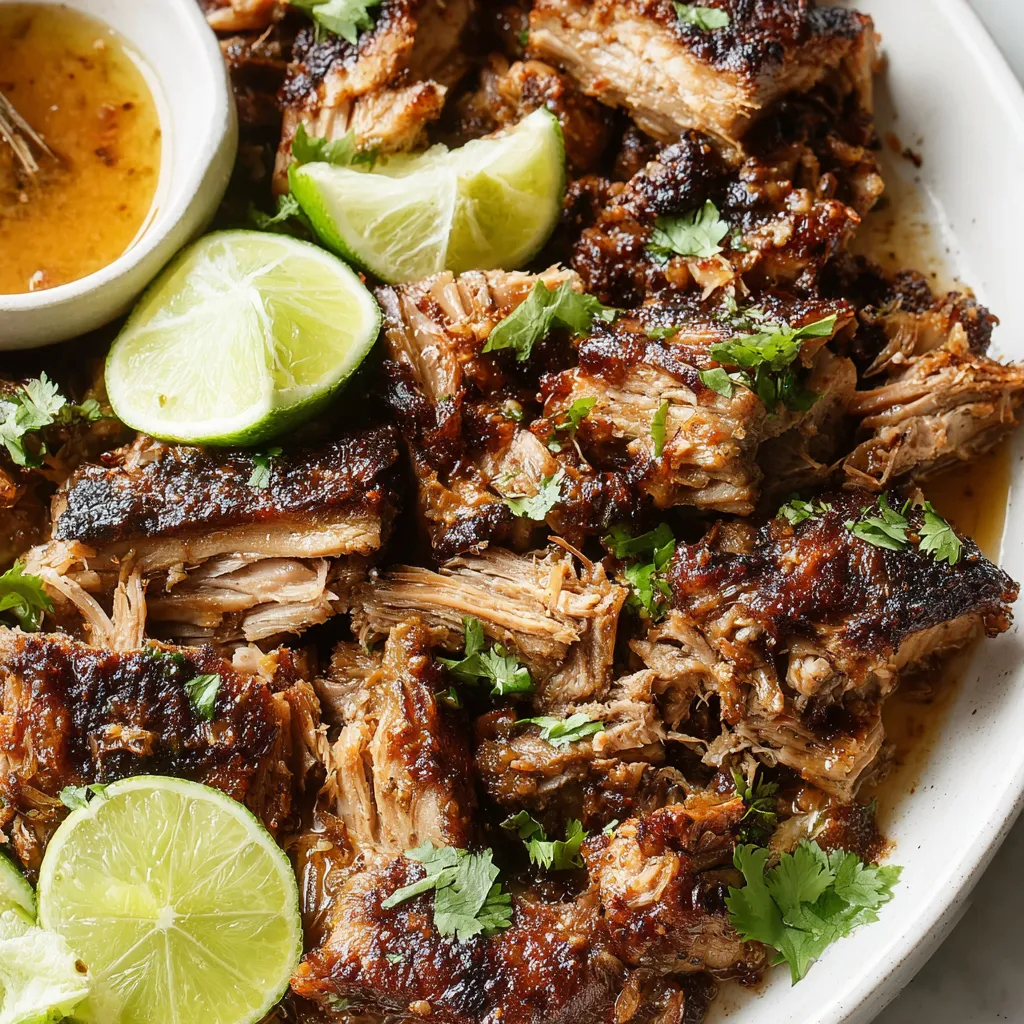
This carnitas recipe has been a staple at my table for years — the kind of dish that smells like celebration the moment it starts to simmer. I first developed this version while trying to replicate the memorable tacos I had at a small taquería during a winter trip. The long, gentle roast transforms a humble pork shoulder into something layered and soulful: citrus-bright from orange and lime, aromatic from garlic and jalapeño, and finished with crunchy, caramelized edges that everyone scrapes from the baking sheet.
What makes this preparation special is the balance between slow cooking and a final crisp: the meat is cooked low and slow to render fat and develop tenderness, then shredded and finished under high heat so textural contrast appears — melt-in-your-mouth interior with golden, slightly charred bits. Over the years I’ve served these carnitas for weekday tacos, birthday feasts, and impromptu dinner parties. They travel well, reheat beautifully, and the reserved cooking juices double as flavor-preserving lard that keeps leftovers luscious.
In my house the first time guests tried the broiled edges they declared these the best carnitas they’d eaten at home. My partner insists the skillet-reduce method yields the most concentrated flavor, while my sister prefers the broiled flakes for texture. Both approaches deliver on the promise of deep pork flavor and crunchy bits.
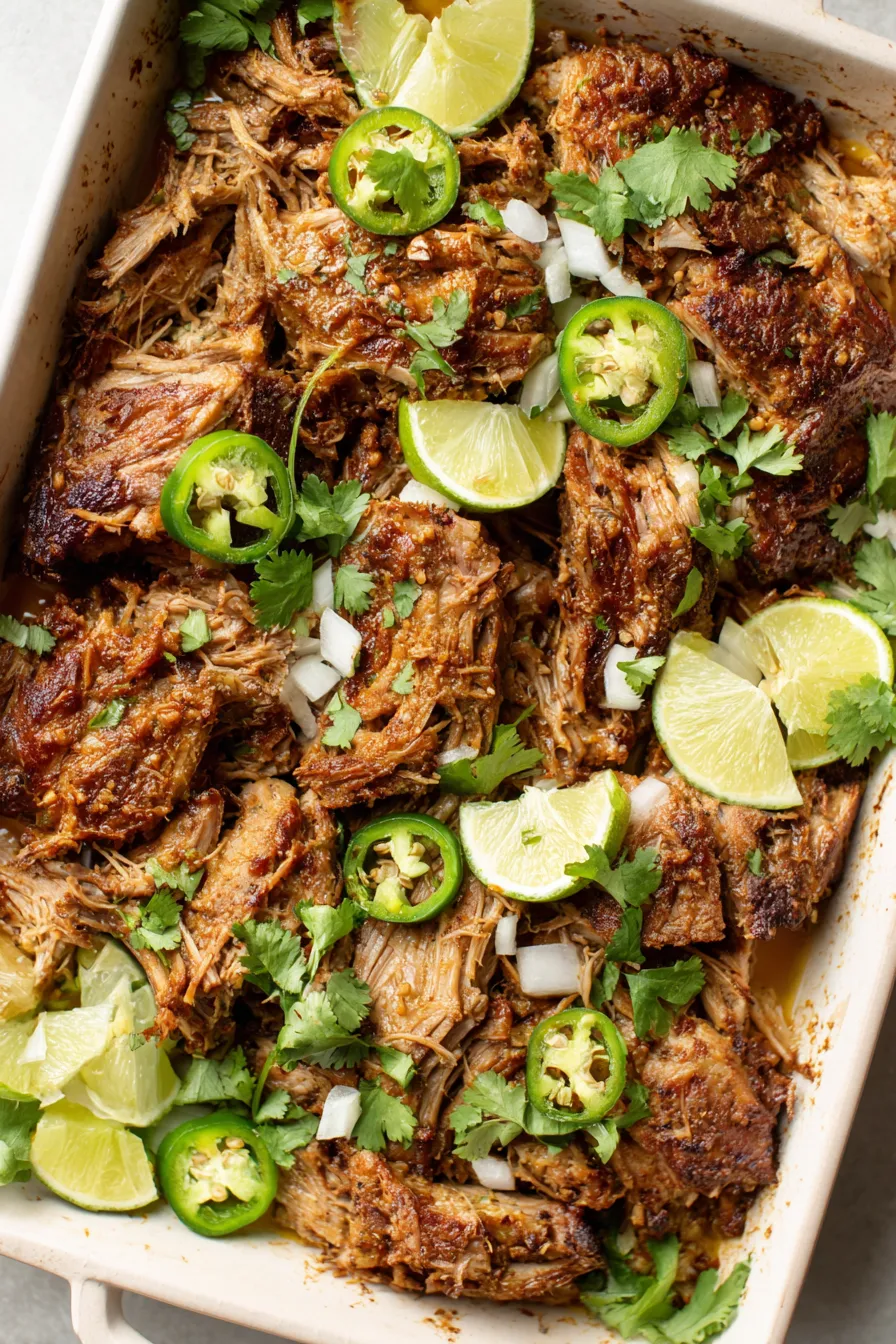
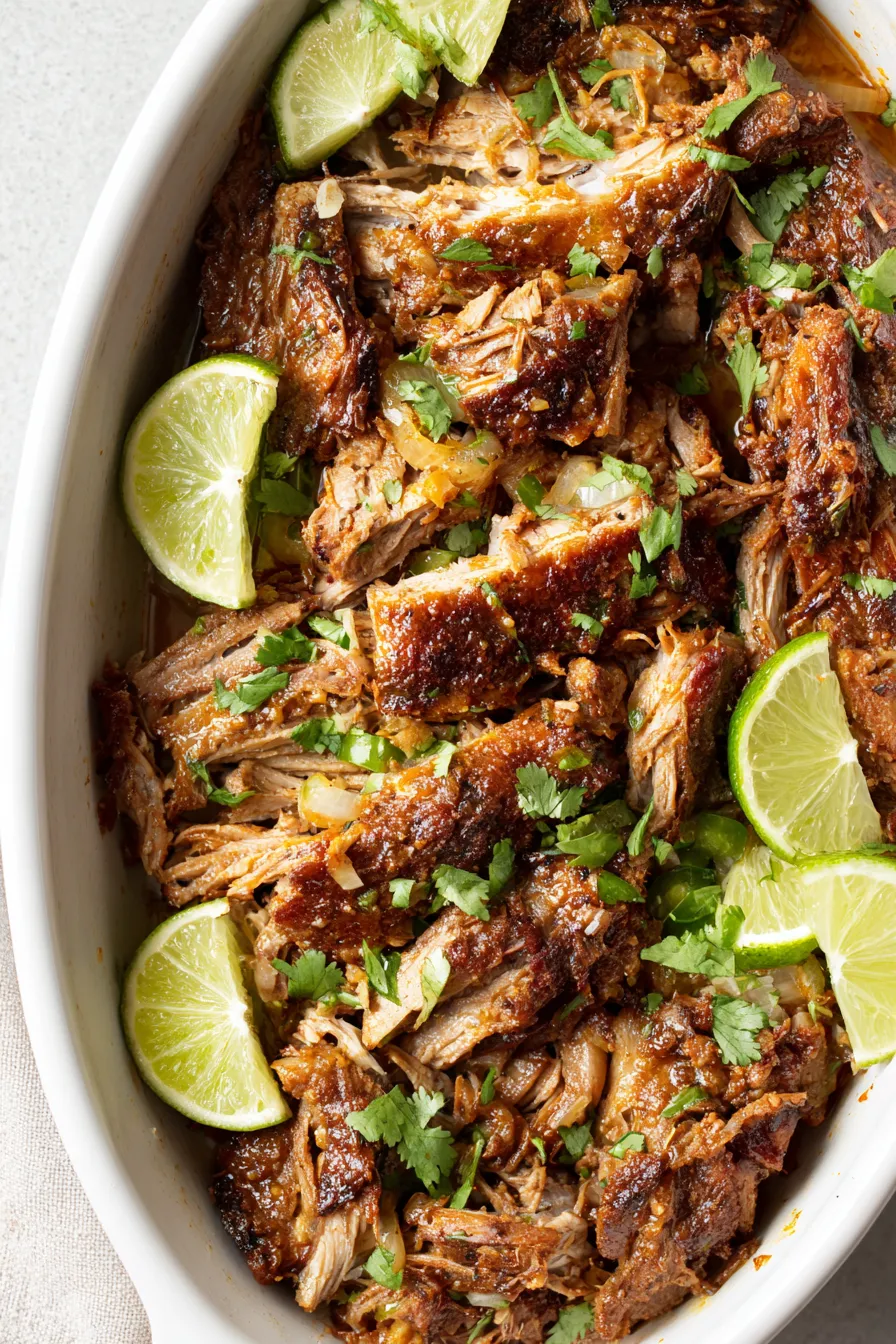
My favorite part is the ritual of finishing the meat: whether it’s the hiss of juices meeting a hot skillet or the sweet smell of broiled edges caramelizing in the oven, that final step turns tender pork into an addictive component that guests always fight over. The citrus in the braise brightens the dense pork and makes each bite sing.
Cool the pork to room temperature within two hours, then refrigerate in an airtight container for up to 4 days. If you plan to freeze, place in freezer-safe bags or containers and remove as much air as possible; label with the date and freeze up to 3 months. To reheat, thaw in the refrigerator, then rewarm in a skillet with a splash of the reserved cooking juices or in a 325 F oven covered until warmed through, then finish under the broiler or in a hot skillet for crispness. When reheating from frozen, allow slow thawing overnight for the best texture.
If you don’t have pork shoulder, a pork butt or a bone-in shoulder roast will also work; increase cooking time slightly for larger pieces. For a milder finish, omit jalapeño or remove seeds. Swap chicken broth for low-sodium vegetable broth for a slightly different savory profile. If you prefer less citrus, reduce the orange to half and increase lime for sharper notes. For added smokiness, use smoked paprika in place of part of the chili powder or finish with a splash of salsa verde.
Serve these carnitas in warm corn tortillas with diced red onion, cilantro, sliced avocado, and lime wedges for classic tacos. They also make excellent burrito bowls over cilantro-lime rice, inside enchiladas, or tossed with roasted sweet potatoes for a hearty salad. Add pickled red onions or a quick cabbage slaw for brightness and crunch. For a party, set a taco bar with tortillas, salsas, and toppings so guests can build their own plates.
Carnitas have roots in traditional Mexican markets where pork shoulder is braised slowly until tender, often in lard, and then shredded and crisped. Regional variations include different citrus or herb additions and the final crisping technique. The interplay of low slow cooking and a quick high-heat finish is a common thread across preparations, producing both deep flavor and textural interest.
In winter, serve with warm roasted squash and pickled jalapeños; in summer, keep the citrus bright and add a pico de gallo with fresh tomatoes and herbs. For holiday gatherings, roast a larger shoulder and use the shredded pork for tacos, loaded nachos, or stuffed into baked potatoes for an easy crowd-pleasing option.
Divide cooked pork into portion-sized containers with a tablespoon or two of the reserved juices to preserve moisture. Pack tortillas and toppings separately and reheat quickly before assembling. The shredded pork is a versatile protein for lunches; pair with a quick salad or grain for balanced meals throughout the week.
These carnitas are a celebration of simple technique and focused flavors. Share them with friends, and remember to save the cooking liquids — they are liquid gold for keeping leftovers succulent.
Do not trim the fat from the pork shoulder; the fat renders during slow cooking and keeps the meat moist and flavorful.
Check internal temperature around 195–205 F to ensure connective tissue has broken down for easy shredding.
Reserve at least 1 cup of cooking liquid to mix back into shredded meat to prevent drying when reheating.
If crisping in a skillet, work in batches so the meat can sear rather than steam; use a splash of reserved fat if needed.
This nourishing classic slow-roasted carnitas recipe is sure to be a staple in your kitchen. Enjoy every moist, high protein slice — it is perfect for breakfast or as a wholesome snack any time.
This Classic Slow-Roasted Carnitas recipe makes perfectly juicy, tender, and flavorful steak every time! Serve with potatoes and a side salad for an unforgettable dinner in under 30 minutes.
Preheat oven to 300 F. Cut the pork shoulder into four pieces so it fits in your pot, leaving the fat intact. Do not trim the fat.
Combine chili powder, oregano, cumin, salt, and pepper in a bowl. Rub evenly over all pork pieces so the seasoning adheres.
Place seasoned pork in a Dutch oven and add chopped onion, jalapeño, garlic, chicken broth, orange juice, and lime juice around the meat.
Cover and roast at 300 F for 2 hours. Remove the lid and roast uncovered for another 1.5 hours until the meat is fall-apart tender and reaches about 195–205 F.
Transfer pork to a rimmed baking sheet and shred with two forks. Ladle about 1 cup of cooking liquid over the shredded meat and toss to coat.
Either broil spread-out pork on the top oven rack until edges brown and crisp, checking frequently, or sear in a hot skillet in batches with some of the reserved juices until golden.
Serve on warmed corn tortillas with lime, onion, avocado, and cilantro. Store leftovers with reserved juices in the fridge up to 4 days or freeze up to 3 months.
Last Step: Please leave a rating and comment letting us know how you liked this recipe! This helps our business to thrive and continue providing free, high-quality recipes for you.
Leave a comment & rating below or tag
@epicula on social media!

Ultra-fudgy brownies crowned with toasted mini marshmallows and warm cocoa icing, with molten chocolate pockets in every bite.
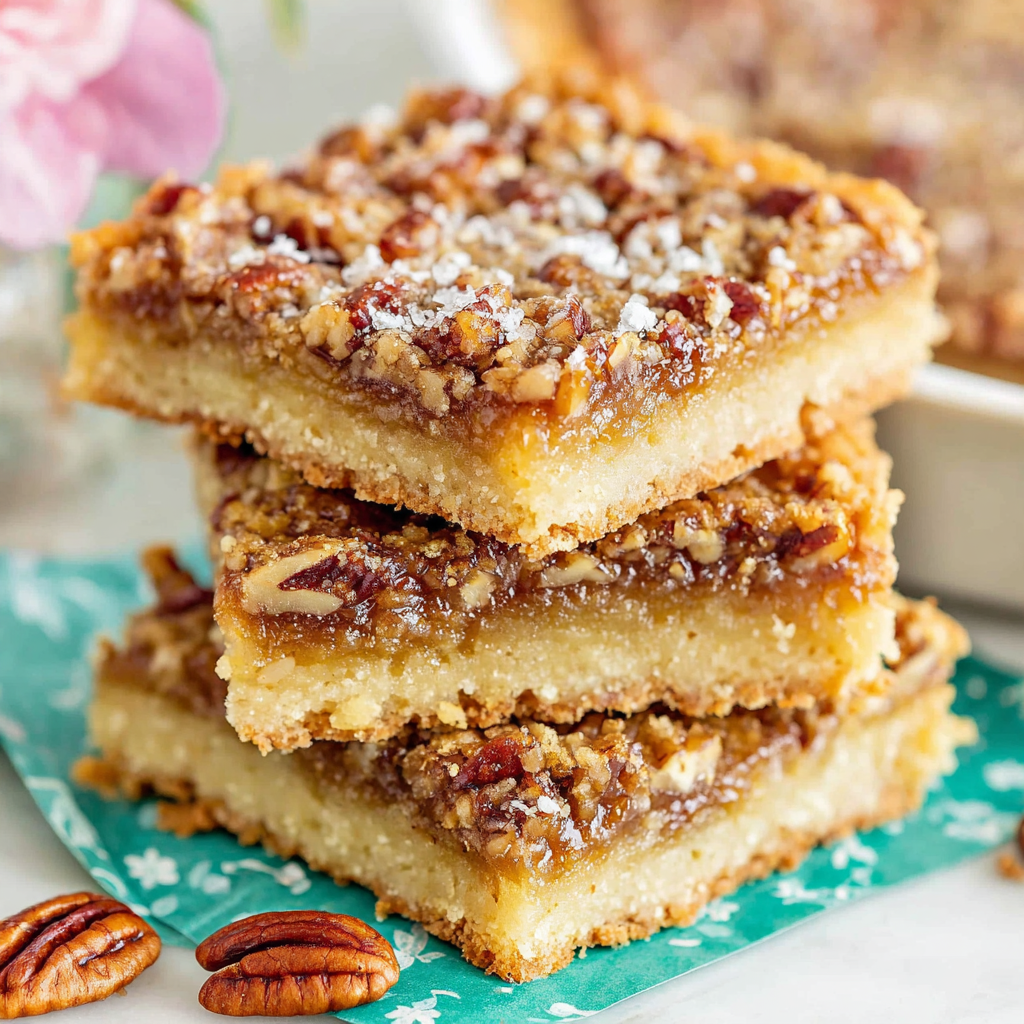
Buttery shortbread crust topped with a gooey brown sugar pecan filling. Just 10 minutes to prep for bakery-worthy bars with irresistible crunch.
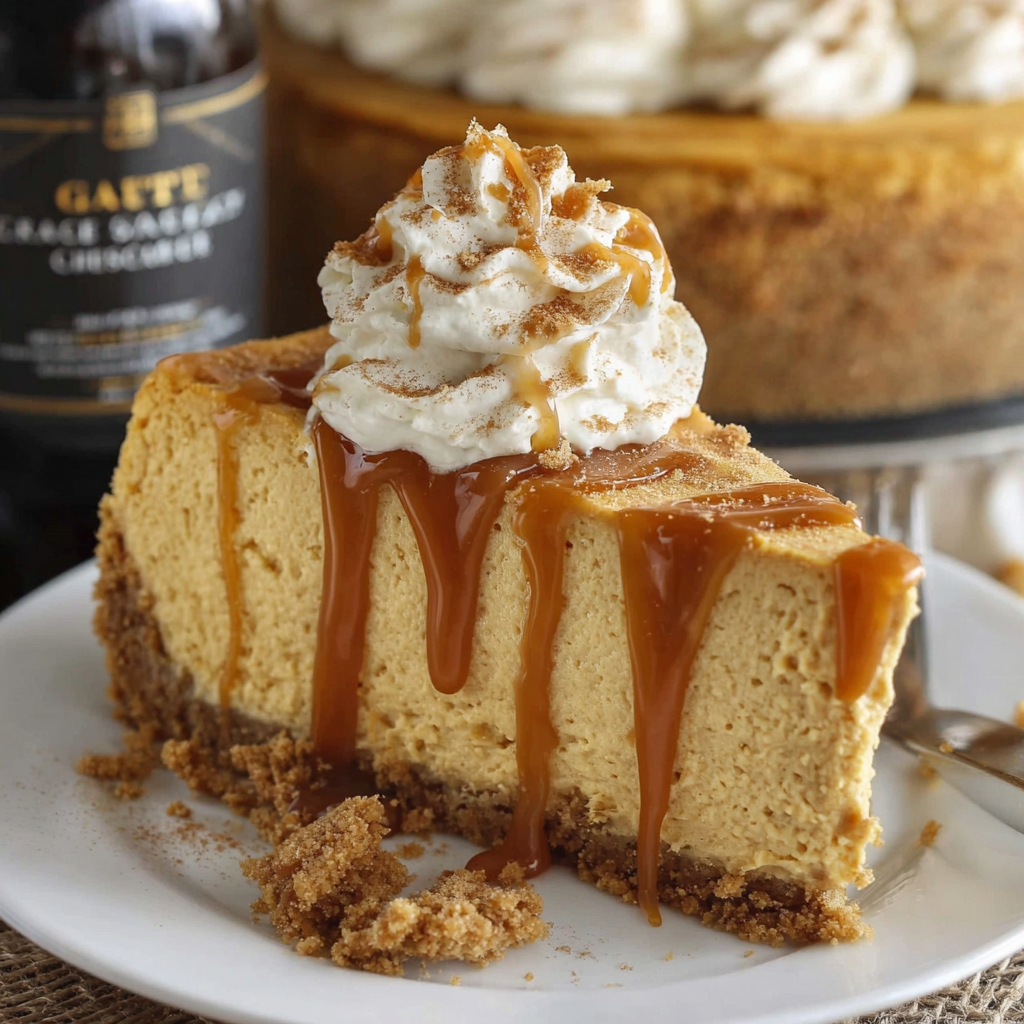
Ultra-creamy pumpkin cheesecake with a graham crust, bakes without cracks, and shines with caramel and rum-kissed whipped cream.
Leave a comment & rating below or tag @epicula on social media!
Enjoyed this recipe? Share it with friends and family, and don't forget to leave a review!
This recipe looks amazing! Can't wait to try it.
Comments are stored locally in your browser. Server comments are displayed alongside your local comments.

Join to receive our email series which contains a round-up of some of our quick and easy family favorite recipes.