>>

A simple, classic crusty Italian loaf with a golden crackling crust and tender crumb — perfect for sandwiches, dipping, or alongside soups.
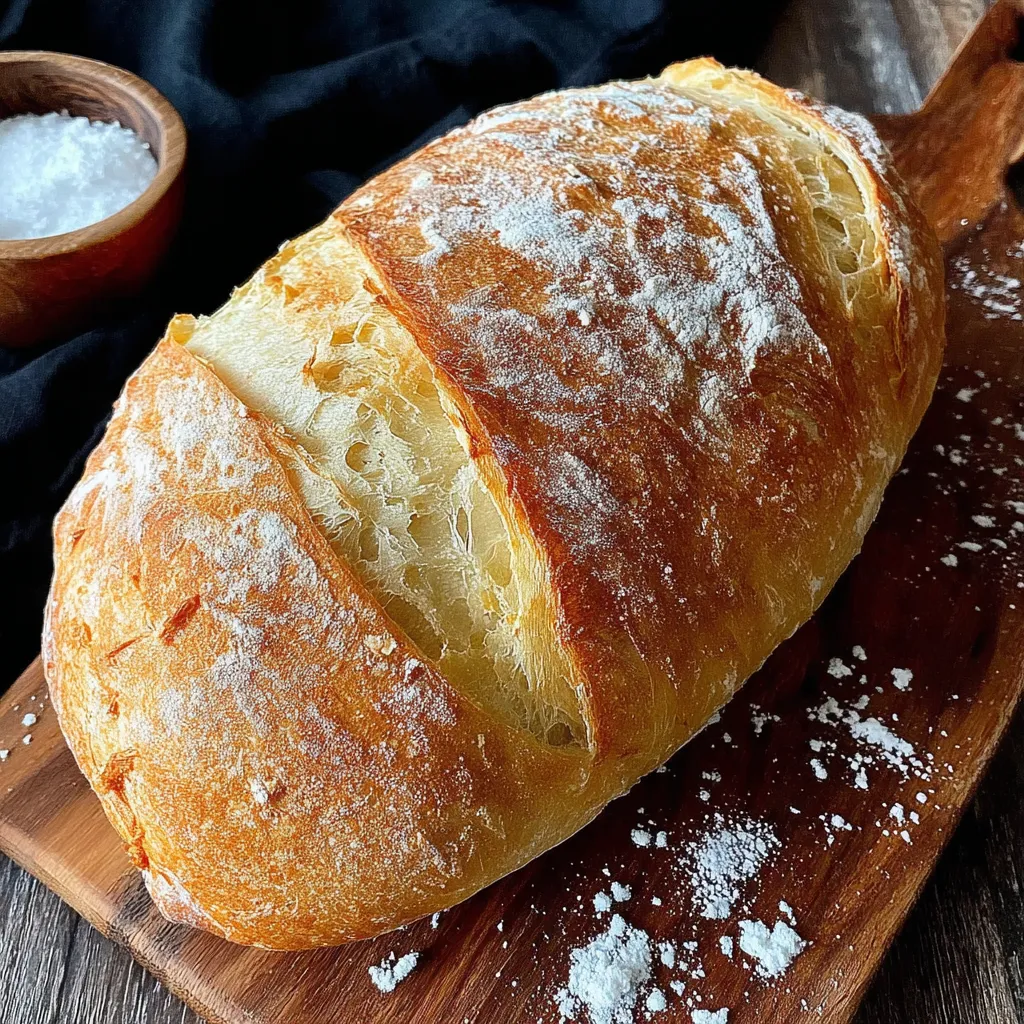
This crusty Italian loaf has been my weekend ritual for years. I first learned this particular method during a rainy Saturday when I wanted fresh bread but didn’t want to fuss with complicated folding or long, overnight fermentations. What makes this loaf special is the balance between a thin, crackly crust and a tender, slightly chewy crumb. The technique is straightforward: bloom the yeast, gently bring the dough together, knead briefly until smooth and tacky, then shape and bake at a high temperature for that signature oven-spring. The smell of baking bread filling the kitchen is one of those small domestic joys that never gets old.
I discovered how forgiving this approach is when a batch I made for a family dinner turned out better than any artisan loaf I had bought at a bakery. Kids and grown-ups alike tore off pieces seconds after it came out of the oven. The crust gives a gratifying crackle when you slice it, and the interior has just enough open crumb to soak up olive oil or soup. This is a loaf you can make with minimal equipment and pantry-friendly ingredients, and it rewards a little patience with major flavor and texture.
My family’s reaction the first time I made two of these loaves was immediate — everyone wanted seconds. Over time I learned small tricks like using a very sharp blade for the scoring and brushing the loaves with an egg white wash halfway through baking to brighten the crust. Those little details lift an ordinary loaf into something memorable.

My favorite part of this loaf is how adaptable it is. On a busy day I will shorten the first rise slightly and still get a beautiful oven-spring. For special occasions I score prettier patterns and brush with a little olive oil before the final bake. Family members often request this bread for holiday soups because the texture is perfect for sopping up broths and sauces.
To store, let the loaves cool completely. Wrap each loaf tightly in aluminum foil or place inside a paper bag then a loose plastic bag for short-term storage. Keep at room temperature up to 3 days. For longer storage, slice and freeze in a sealed container for up to 3 months. Reheat slices directly from frozen in a 350 degree F oven for 8 to 10 minutes or toast slices for sandwiches.
If you prefer whole-grain, substitute up to half the bread flour with whole wheat flour and increase water by 1 or 2 tablespoons to account for extra absorption. For a dairy-free loaf, replace the tablespoon of butter with an equal amount of olive oil. If you only have instant yeast, you can use 2 teaspoons instead of 1 tablespoon and mix it directly into the flour, omitting the bloom step.
Serve slices with extra virgin olive oil and flaky sea salt, or alongside a bowl of minestrone or tomato soup. For sandwiches, let slices cool completely then layer with roasted vegetables or prosciutto and fresh mozzarella. To present at gatherings, slice on a diagonal and offer butter, herbed olive oil, and a selection of cheeses.
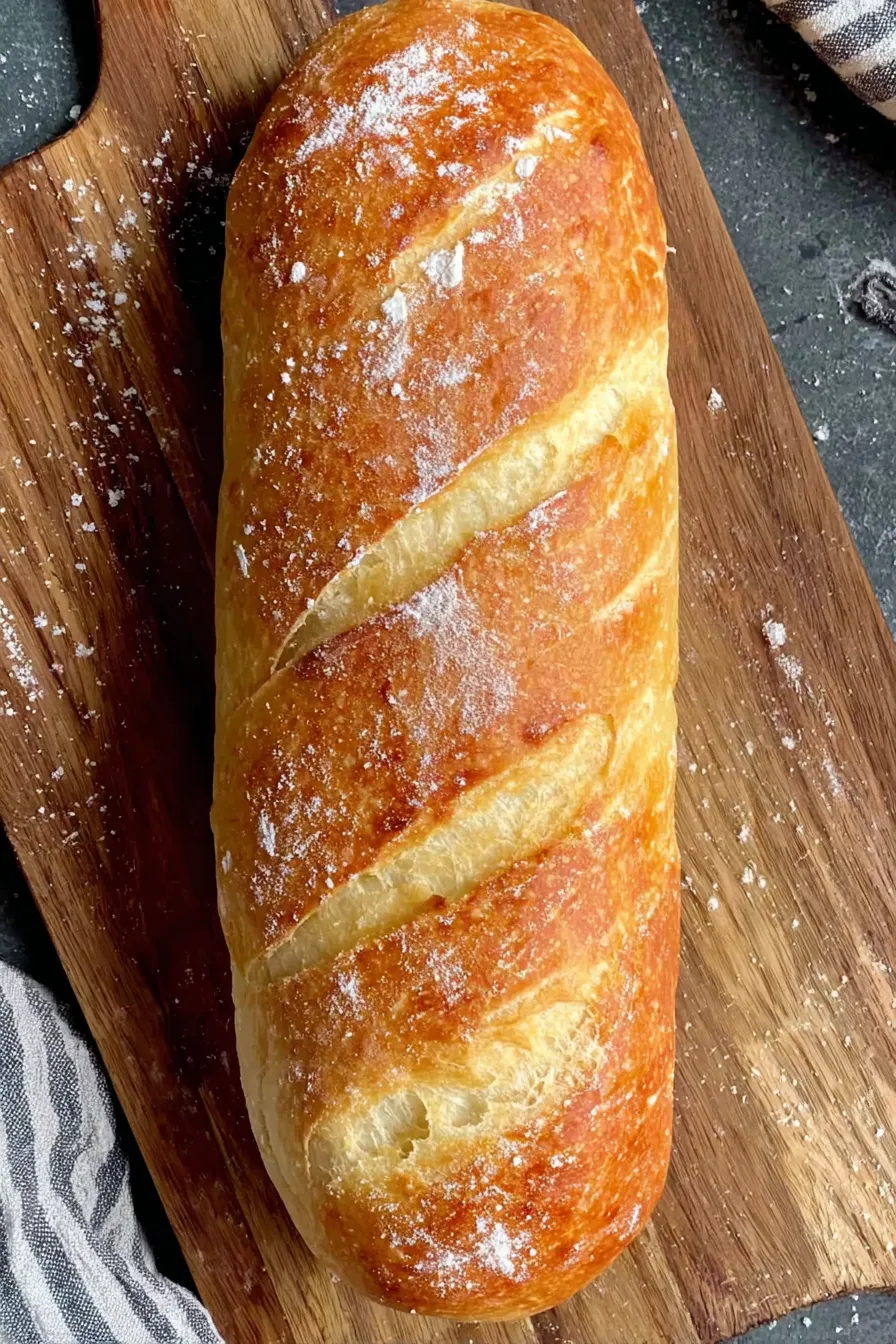
This style of crusty loaf draws on simple Italian baking traditions where a few quality ingredients—flour, water, salt, and yeast—are transformed into bread with character. Rustic loaves with crisp exteriors and soft interiors are staples across Italy’s regions, adapted locally by hydration, shaping, and baking temperature. The technique here mirrors the practical, home-bakery approach used in many Italian households.
In cooler months you can fold in roasted garlic or replace the butter with softened pumpkin puree and spices for an autumnal twist. In summer, top the loaves with coarse sea salt and rosemary before the final bake for a fragrant, herbaceous loaf perfect with grilled vegetables.
Readers often tell me this loaf was their first successful homemade bread. One reader shared that after making these loaves for a potluck, guests asked for the recipe and the host arrived carrying two entire loaves as a gift. Another favorite memory was a cozy weekend where my family demolished a loaf alongside a pot of braised tomatoes — the bread was the star for soaking up every last drop.
For meal prep, slice the loaf and portion into sandwich-sized stacks. Vacuum-seal or freeze in zipper bags with layers of parchment between slices. Defrost in the refrigerator overnight or toast directly from frozen. Preparing the dough in the morning for an evening bake is easy: give it a slightly cooler rest and allow a slower rise if your kitchen is cold, or refrigerate the dough for a slower fermentation to develop more flavor.
Making this loaf is a small, rewarding ritual. With just a little practice you will consistently produce loaves with a crackly crust and tender crumb that bring people to the table. Give it a try and make it your own with small adjustments to flavor and technique.
Measure flour by spooning it into the cup and leveling with a knife to avoid dense loaves from packing flour.
Use a very sharp knife or lame for scoring; shallow, confident cuts help the loaf expand cleanly.
Allow the loaf to cool at least 20 minutes before slicing to set the crumb and avoid a gummy texture.
If the dough is sticky, resist adding too much flour; instead oil your hands lightly and continue kneading.
Refresh frozen slices in a 350°F oven for 8 to 10 minutes to regain crustiness.
This nourishing crusty italian bread recipe is sure to be a staple in your kitchen. Enjoy every moist, high protein slice — it is perfect for breakfast or as a wholesome snack any time.
Yes, you can freeze the cooled loaf wrapped in foil for up to 3 months. Reheat in a 350°F oven for 8 to 10 minutes.
Use water between 100 and 110°F. If the water is too hot it will kill the yeast; if too cold it will not activate quickly.
This Crusty Italian Bread recipe makes perfectly juicy, tender, and flavorful steak every time! Serve with potatoes and a side salad for an unforgettable dinner in under 30 minutes.
Whisk sugar and active dry yeast into warm water (100–110°F). Let sit for 5 minutes until foamy to ensure yeast is active.
Whisk about 4 cups of bread flour with salt in a large bowl to evenly distribute the salt and break up clumps.
Whisk soft butter into the foamy yeast mixture so it disperses, then add the liquid to the flour and fold with a spatula until a shaggy dough forms.
Turn dough onto a floured surface and knead 5 to 7 minutes until smooth and tacky, adding flour sparingly if it is excessively sticky.
Place dough in a lightly oiled bowl, flip to coat, cover tightly with plastic wrap, and let rise in a warm spot for 30 to 40 minutes until puffy.
Turn dough onto a floured surface, divide into two equal pieces, roll into rectangles, then roll into tight cylinders. Pinch seams and tuck ends under.
Place loaves seam-side down on an oiled baking sheet, cover with a towel, and let rest for 20 minutes until slightly puffed.
Preheat oven to 425°F. Make four shallow diagonal slashes across each loaf and bake at 425°F for 20 minutes.
Whisk egg white with 1 tablespoon cold water. Remove loaves after 20 minutes, brush quickly with the wash, and return to the oven for 5 to 7 minutes until deep golden.
Transfer loaves to a heatproof surface and cool at least 20 minutes before slicing to set the crumb properly.
Last Step: Please leave a rating and comment letting us know how you liked this recipe! This helps our business to thrive and continue providing free, high-quality recipes for you.
Leave a comment & rating below or tag
@epicula on social media!
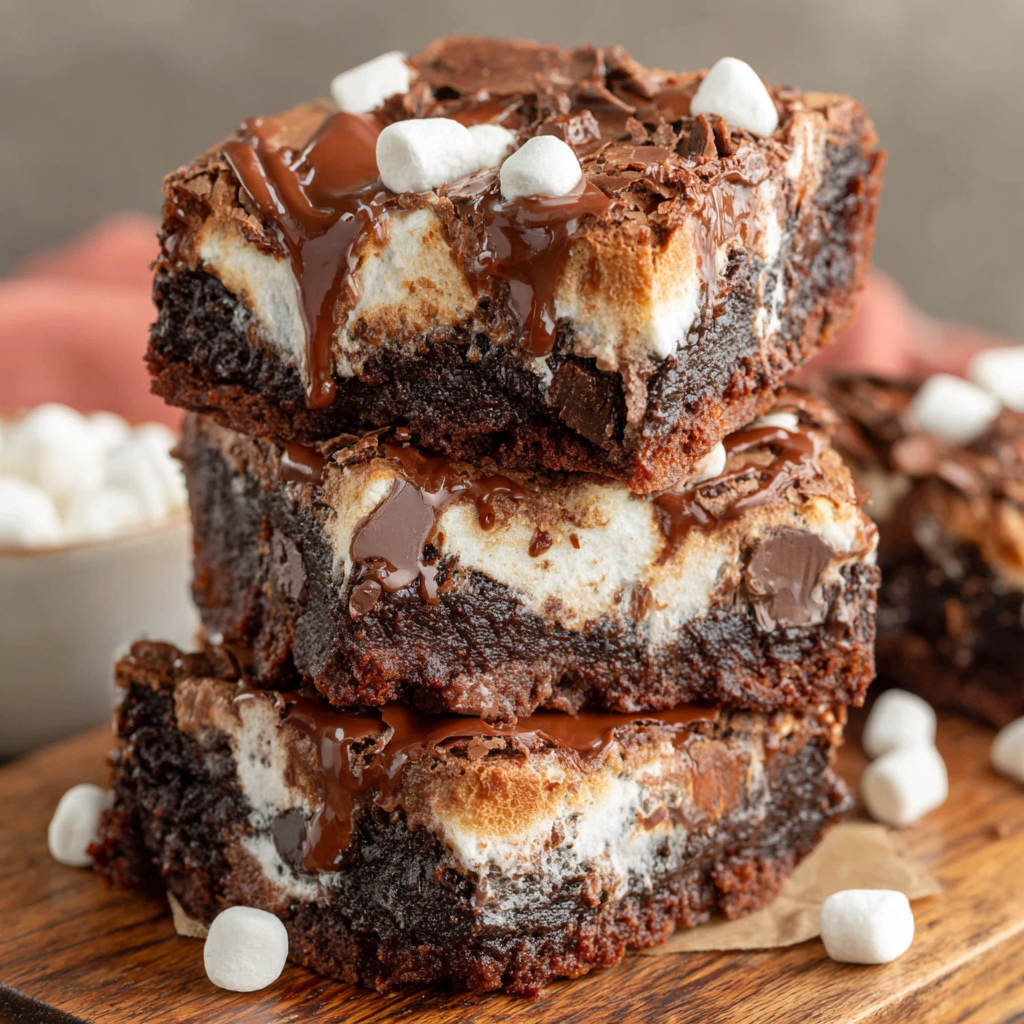
Ultra-fudgy brownies crowned with toasted mini marshmallows and warm cocoa icing, with molten chocolate pockets in every bite.
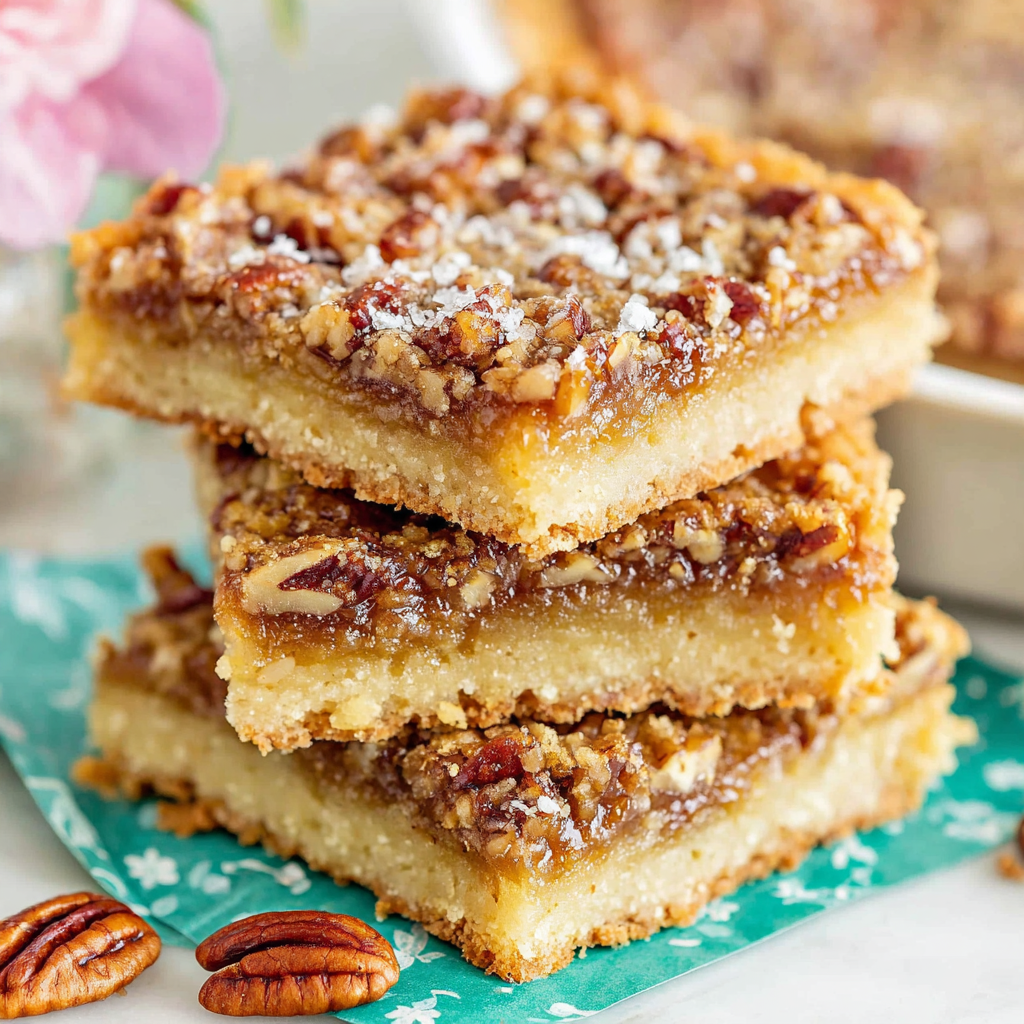
Buttery shortbread crust topped with a gooey brown sugar pecan filling. Just 10 minutes to prep for bakery-worthy bars with irresistible crunch.
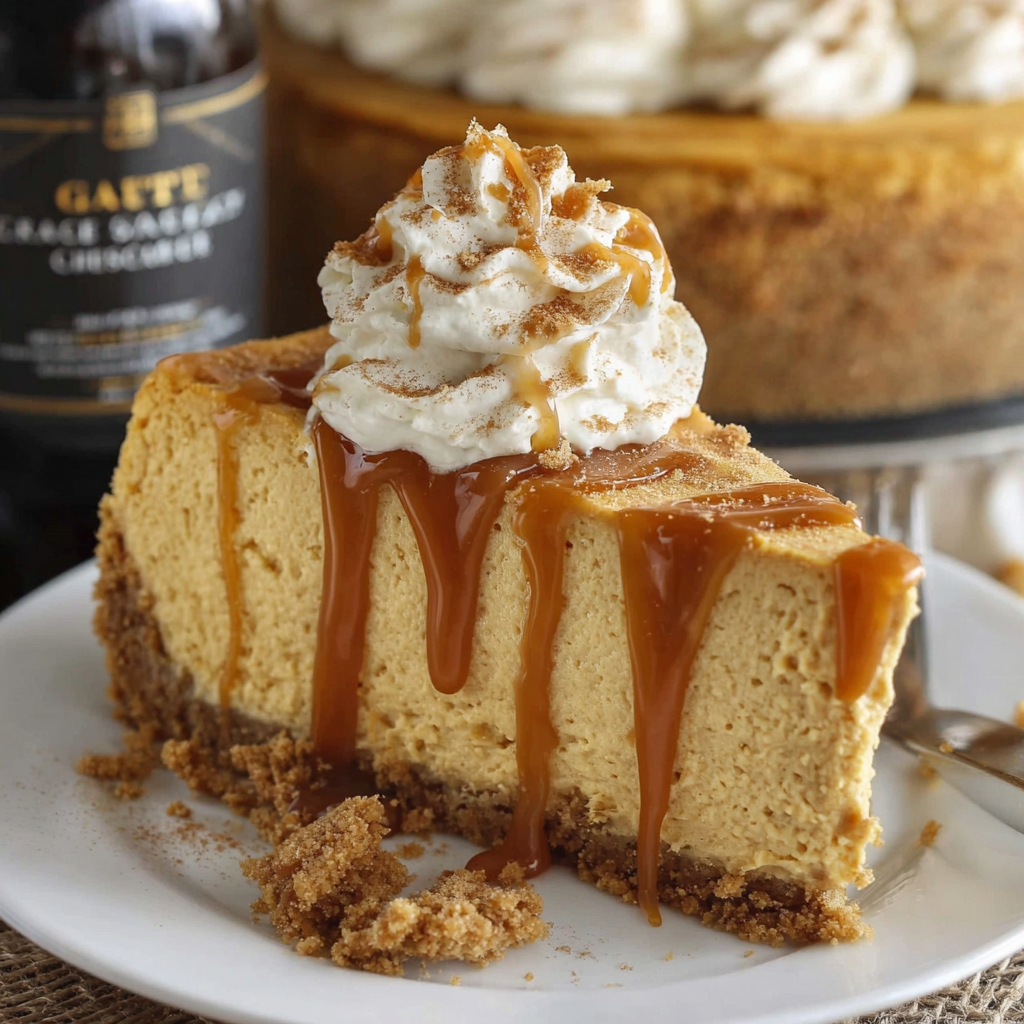
Ultra-creamy pumpkin cheesecake with a graham crust, bakes without cracks, and shines with caramel and rum-kissed whipped cream.
Leave a comment & rating below or tag @epicula on social media!
Enjoyed this recipe? Share it with friends and family, and don't forget to leave a review!
This recipe looks amazing! Can't wait to try it.
Comments are stored locally in your browser. Server comments are displayed alongside your local comments.

Join to receive our email series which contains a round-up of some of our quick and easy family favorite recipes.