>>

Golden, chewy pretzel sticks with a crisp brown crust, boiled in a baking soda bath for authentic German flavor—perfect for dipping or sharing.
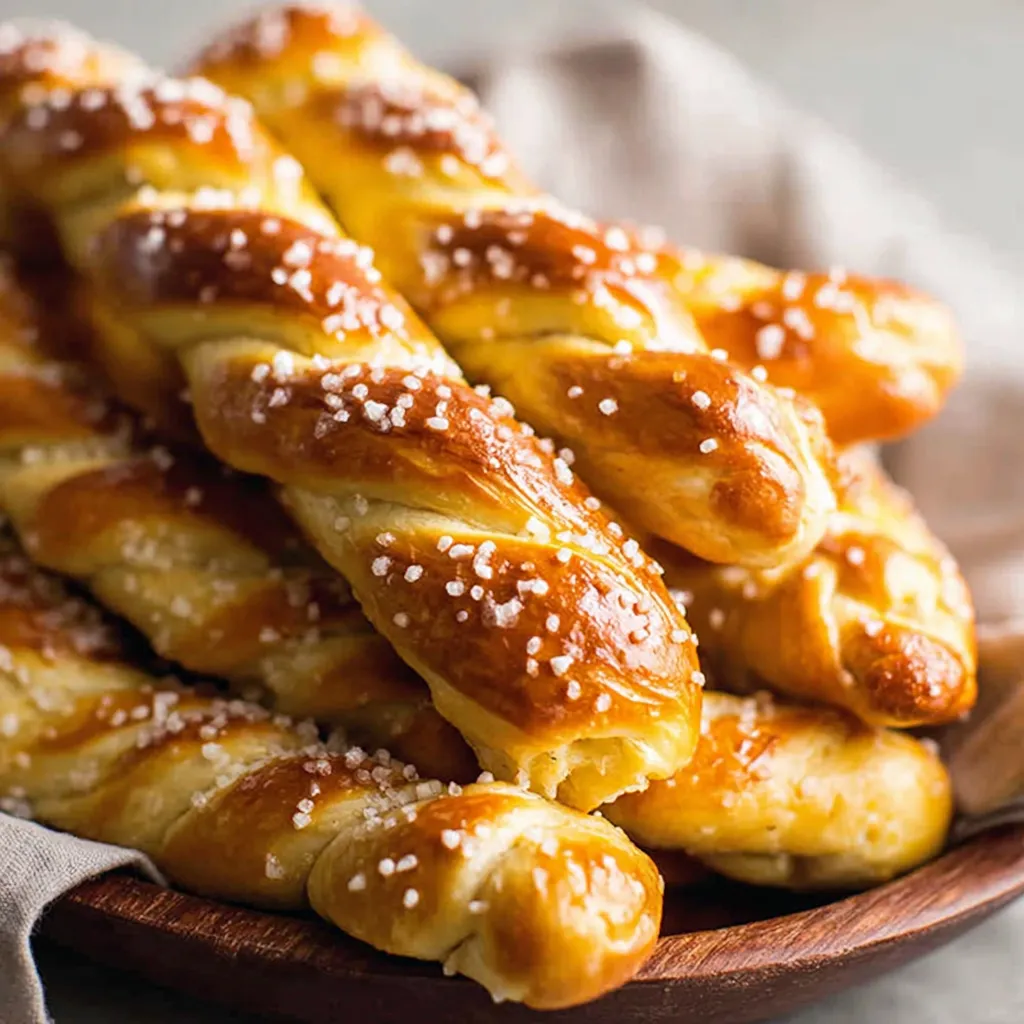
This recipe for German soft pretzel sticks has been a weekend ritual for me ever since I first tried shaping dough at a neighborhood Oktoberfest. I discovered the technique during a chilly October afternoon when I wanted something fun to bake with friends; we ended up rolling dough on the kitchen table, laughing over uneven sticks and dunking them in a warm baking soda bath. The result — a perfectly bronzed crust that gives way to a pillowy, chewy interior — made everyone stop mid-conversation to ask for another. It’s a simple recipe that produces bakery-style results and brings people together: kids, neighbors and even picky eaters always come back for more.
What makes these pretzel sticks special is the contrast between a deeply browned, slightly crackly exterior and a soft, tender crumb inside. The quick baking soda simmer before baking creates that classic Maillard-rich surface and gives each stick its characteristic flavor and chew. This method is forgiving for home cooks: the dough is straightforward, the shaping is playful, and the timing is predictable. If you’ve ever wanted to replicate the smell of a German bakery in your own kitchen, these sticks deliver, whether you serve them at a casual gathering or as an indulgent snack paired with mustard and beer cheese.
I remember serving these at a small neighborhood potluck where everyone brought a dip — the platter disappeared within minutes. I’ve tweaked the salt and shine since that first batch, and now I know exactly when the dough feels right for cutting and how long to simmer each batch so the crust turns out consistently crisp. It’s one of those recipes that grows more reliable and rewarding each time you make it.
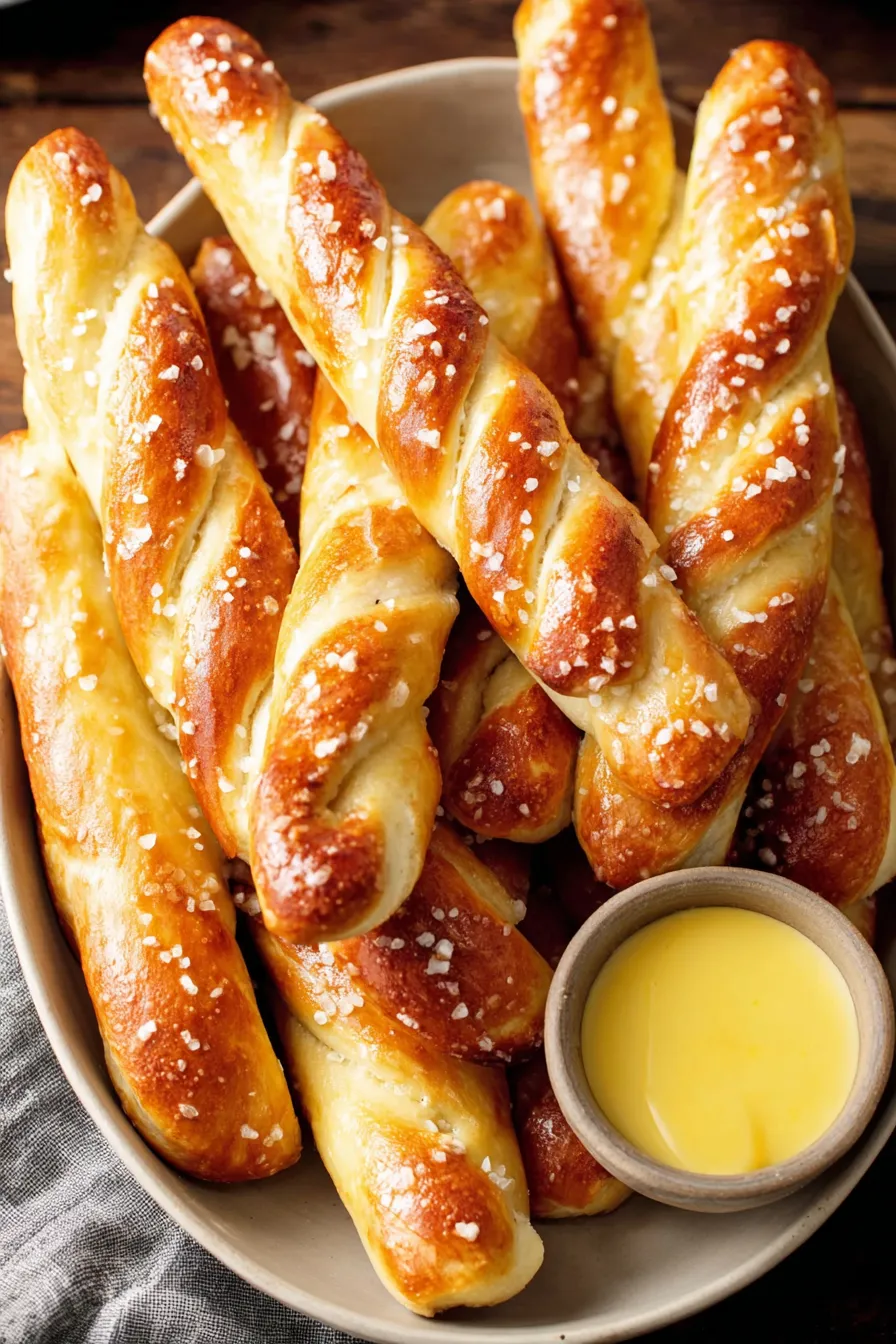
My favorite aspect is the smell: that sweet, toasty aroma moving through the kitchen as they brown. Once, I baked a batch for a chilly porch gathering and neighbors showed up, drawn by the scent. The combination of deep brown crust and pillowy interior is what keeps me returning to this method — it reliably produces a pretzel everyone recognizes and loves.
Cool pretzel sticks completely before storing. For short-term storage, place in an airtight container or resealable bag at room temperature for up to two days; a paper towel inside helps absorb excess moisture. For longer storage, freeze in a single layer on a tray, then transfer to a freezer bag for up to three months. Reheat frozen sticks in a 350°F oven (175°C) for 8–10 minutes straight from frozen to regain surface crispness. Avoid microwaving for long periods—this makes the crust soft and gummy.
If you prefer a richer crust, replace 1 tablespoon of oil with melted butter in the dough. For a slightly sweeter interior, swap half the light brown sugar for granulated sugar, but keep the brown sugar for flavor depth. If you need a dairy-free version, omit the buttery parchment treatment and use a neutral oil; brush with oil instead of egg wash for a vegetarian but not shiny finish. For whole-grain flavor, substitute up to 1 cup of whole wheat flour (expect a denser crumb).
Serve alongside spicy brown mustard, sharp cheddar beer cheese, or a tangy Bavarian obatzda. For parties, arrange pretzel sticks standing in tall glasses or on a wooden board with small bowls of dips and pickles. Pair with pilsner or Oktoberfest-style beer to mirror the traditional pairing, or serve with a light salad for a casual lunch. Garnish with a pat of butter on warm sticks for an extra glossy finish and softer bite.
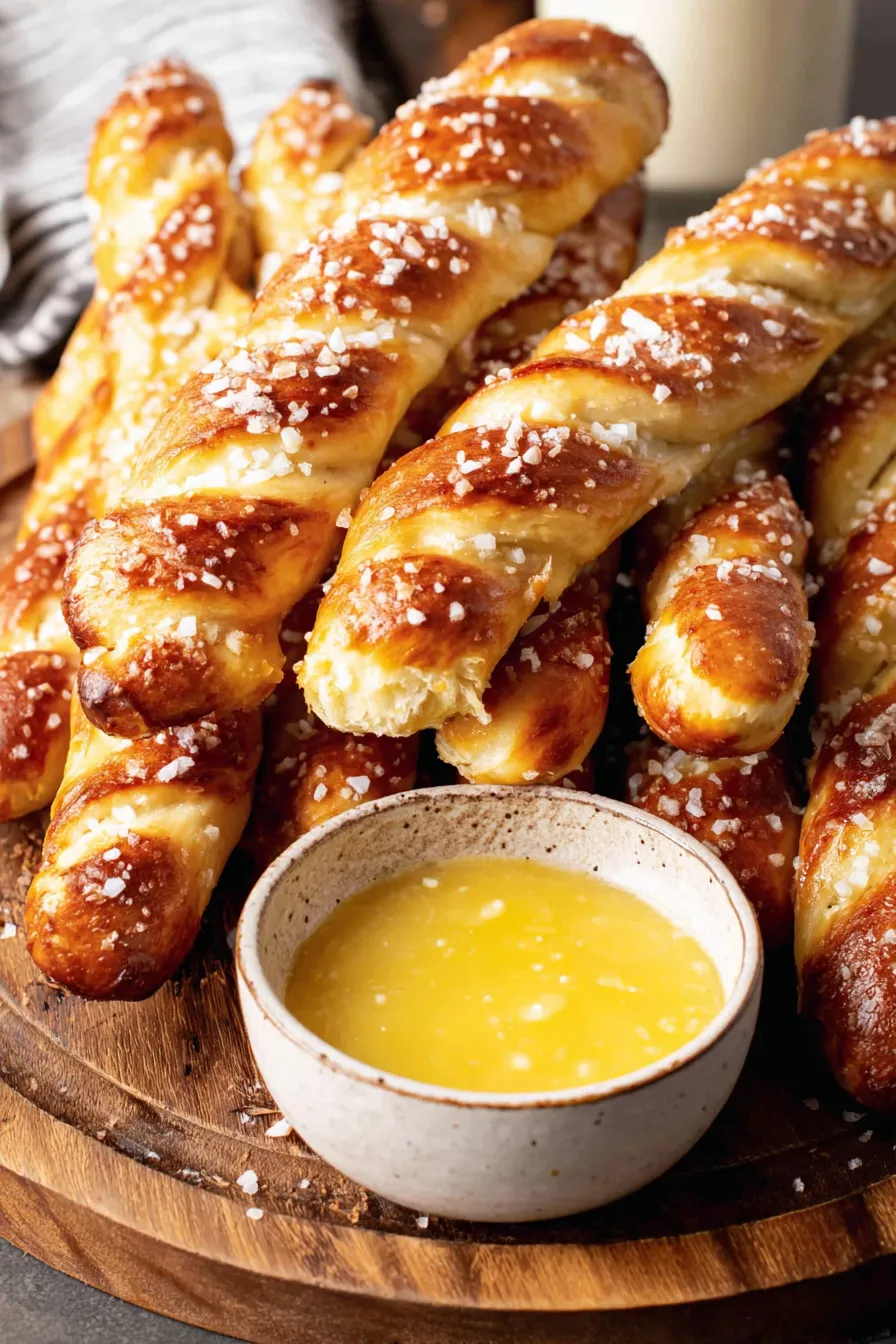
Pretzels have deep roots in German baking traditions, historically tied to monastic life and festivals. Their distinctive knot shape and the use of an alkaline bath evolved into regional specialties — from large soft loaves in bakeries to handheld sticks at fairs. The baking soda bath is a practical home adaptation of the traditional lye dip used by European bakers; it’s safer and produces a comparable dark crust. Serving them with mustard or beer cheese echoes the typical street-food experience in Bavaria and beyond.
In colder months, add 1 teaspoon caraway seeds to the dough for a cozy savory note or sprinkle cinnamon sugar after a light butter brush for a fall-inspired twist. Summer gatherings call for lighter accompaniments like herb labneh or chilled beer-cheese dip. For holiday parties, roll dough slightly thicker and top with everything bagel seasoning to vary texture and flavor. The method adapts easily to festive shapes and sizes depending on the occasion.
For meal prep, make the dough the night before and refrigerate it overnight for slow fermentation; bring it to room temperature, divide and shape the next day, then proceed with the baking soda bath and bake. Alternatively, freeze unboiled rolled sticks on a tray and, when ready, boil briefly from frozen then bake to finish. Use parchment-lined trays for easy transfer and individual portions in freezer-safe bags for quick reheating.
These pretzel sticks are a small pleasure that multiplies when shared. Whether you’re teaching kids to roll dough or hosting a casual beer-and-dip night, they are reliably satisfying and surprisingly simple to make. Give them a try and make the recipe your own with different salts, seeds or dips — the core technique will always reward careful proofing and that essential baking soda bath.
Use a thermometer to get the water to about 110°F — this helps activate the yeast reliably.
Keep the baking soda bath simmering and add 1 cup hot water between batches to maintain color consistency.
Avoid over-flouring when shaping; slightly tacky dough yields the best chew and oven spring.
Brush with egg wash right before baking and sprinkle salt immediately so it adheres.
Bake until deeply golden — that color is the best indicator of a fully developed crust.
This nourishing german soft pretzel sticks recipe is sure to be a staple in your kitchen. Enjoy every moist, high protein slice — it is perfect for breakfast or as a wholesome snack any time.
If the yeast does not foam, the water may be too hot or the yeast is old; start over with fresh yeast and water closer to 110°F.
Yes — you can make the dough the day before, refrigerate overnight, then shape and bake the next day. Allow the dough to come closer to room temperature before shaping.
This German Soft Pretzel Sticks recipe makes perfectly juicy, tender, and flavorful steak every time! Serve with potatoes and a side salad for an unforgettable dinner in under 30 minutes.
Dissolve light brown sugar in warm water (110°F). Sprinkle active dry yeast over the surface. Let sit 4–6 minutes until foamy, indicating yeast is active.
Stir in oil and 3 cups flour, then gradually add remaining flour while mixing. Knead on medium speed about 3 minutes until smooth; add up to 1/4 cup extra flour if dough is too sticky.
Place dough in a greased bowl, cover tightly, and allow to rise at room temperature until doubled, about 45 minutes.
Preheat the oven to 450°F. Line three baking sheets with parchment and lightly butter the parchment so pretzel sticks won’t stick.
Punch down dough, divide into 24 pieces, and roll each into a 7–8 inch long stick about 1/2 inch thick. Place on prepared sheets and let rest until puffed, about 25 minutes.
Bring 2 quarts water and 3/4 cup baking soda to a boil, then reduce to a simmer. Keep an extra 1 cup hot water to add between batches to maintain temperature.
Boil sticks 6 at a time for 30 seconds, turning once after 15 seconds. Drain on paper towels and repeat, adding hot water as needed to keep bath hot.
Brush the tops with beaten egg and water. Sprinkle coarse sea salt while the wash is still wet so it adheres.
Bake at 450°F for about 10 minutes until deep golden brown and crisp on the outside. Rotate sheets if necessary for even browning.
Serve warm or at room temperature with mustard, beer cheese, or other dips. Reheat in a hot oven for a few minutes to refresh from cooled or frozen state.
Last Step: Please leave a rating and comment letting us know how you liked this recipe! This helps our business to thrive and continue providing free, high-quality recipes for you.
Leave a comment & rating below or tag
@epicula on social media!
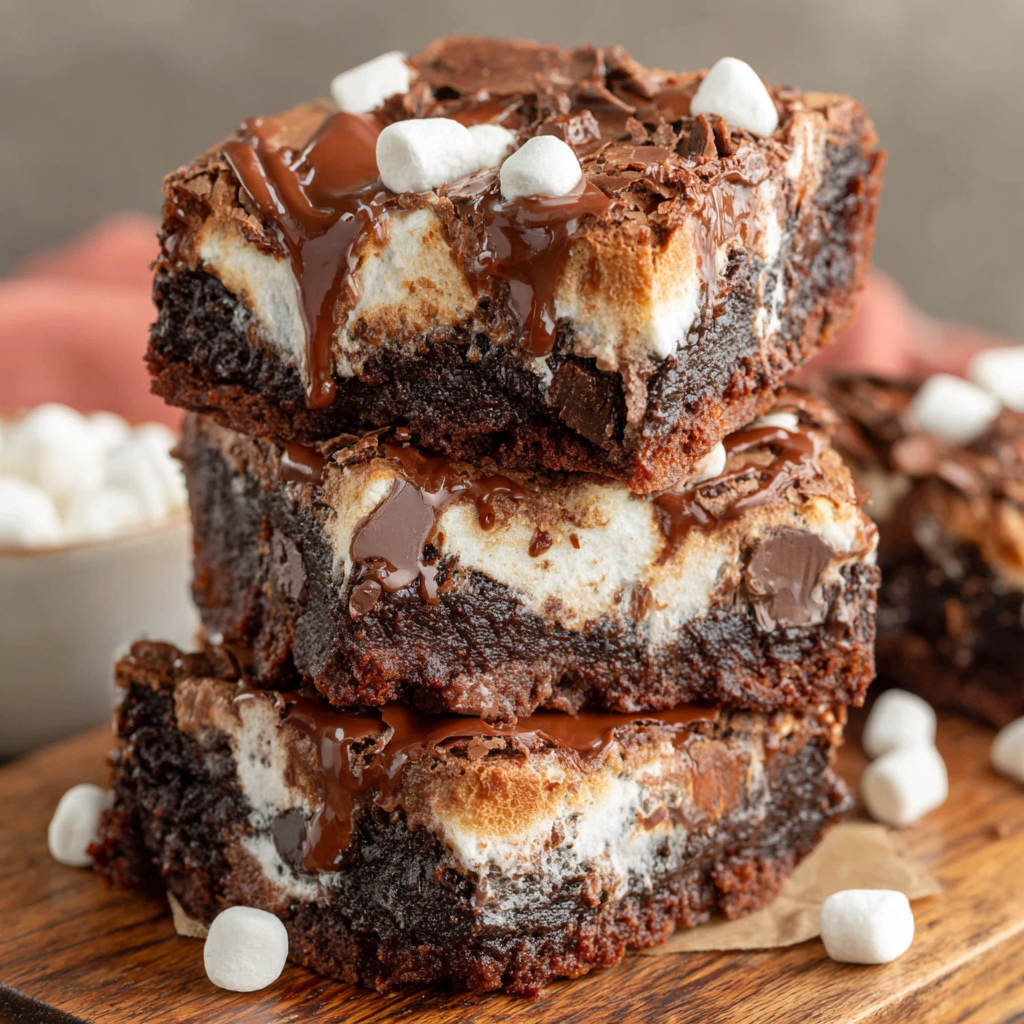
Ultra-fudgy brownies crowned with toasted mini marshmallows and warm cocoa icing, with molten chocolate pockets in every bite.
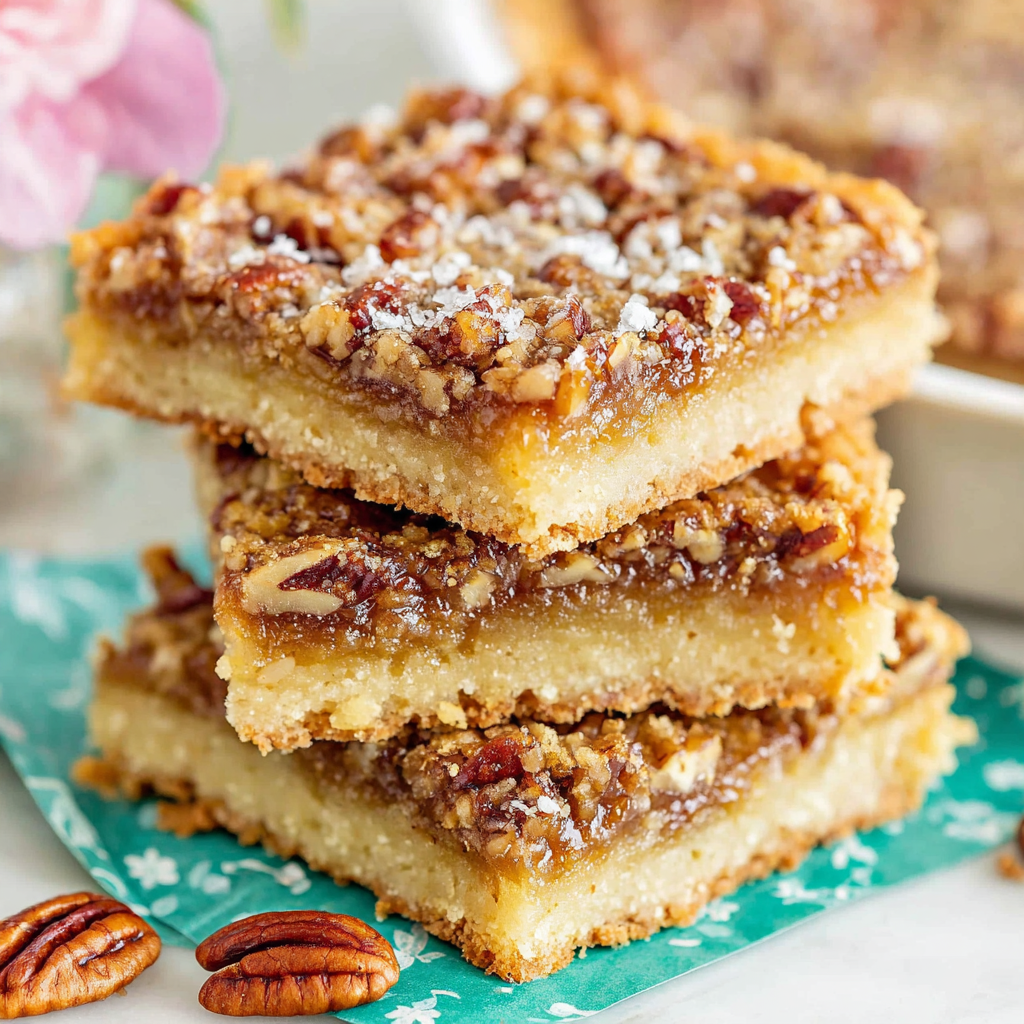
Buttery shortbread crust topped with a gooey brown sugar pecan filling. Just 10 minutes to prep for bakery-worthy bars with irresistible crunch.
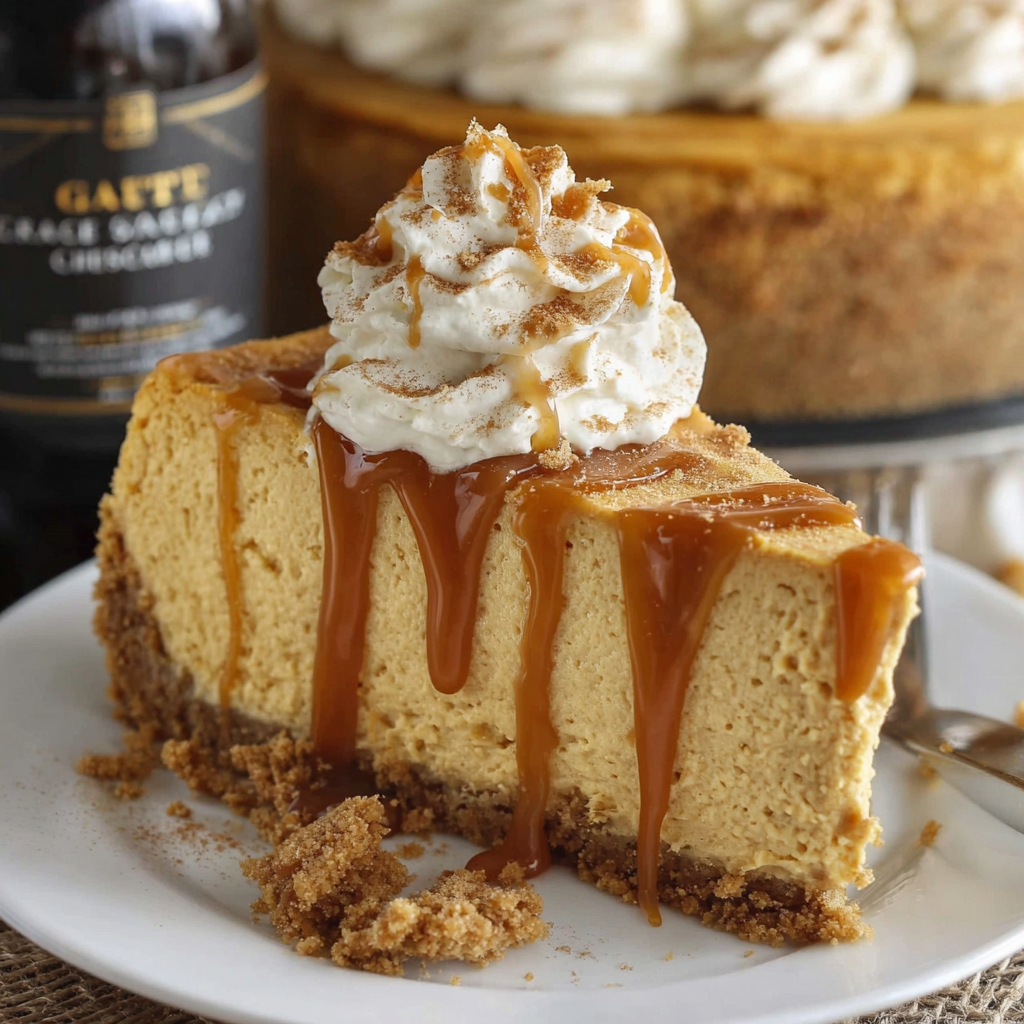
Ultra-creamy pumpkin cheesecake with a graham crust, bakes without cracks, and shines with caramel and rum-kissed whipped cream.
Leave a comment & rating below or tag @epicula on social media!
Enjoyed this recipe? Share it with friends and family, and don't forget to leave a review!
This recipe looks amazing! Can't wait to try it.
Comments are stored locally in your browser. Server comments are displayed alongside your local comments.
Join to receive our email series which contains a round-up of some of our quick and easy family favorite recipes.