>>

A rich, classic homemade eggnog made with warm spiced milk, whipped egg yolks, and velvety cream, with optional spiced rum or bourbon.
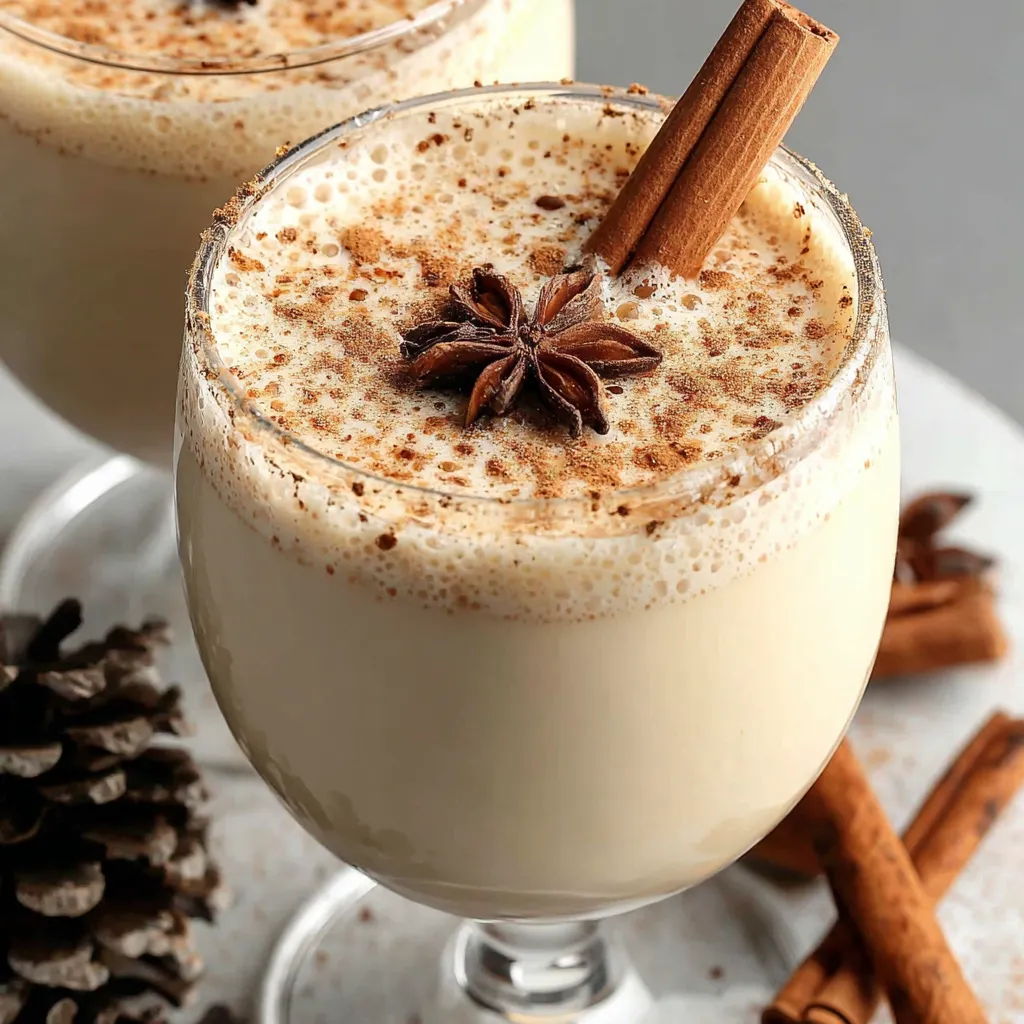
I learned this balance between spice and custard by testing tiny batches and observing how the mixture behaved as it cooled. Family reaction was immediate when I removed the cloves after infusion and realized how much cleaner and brighter the nutmeg and cinnamon tasted. The first time I swapped in half and half for heavy cream by mistake a guest commented the drink felt "lighter and just as comforting" which gave me confidence that small adjustments can work when needed.
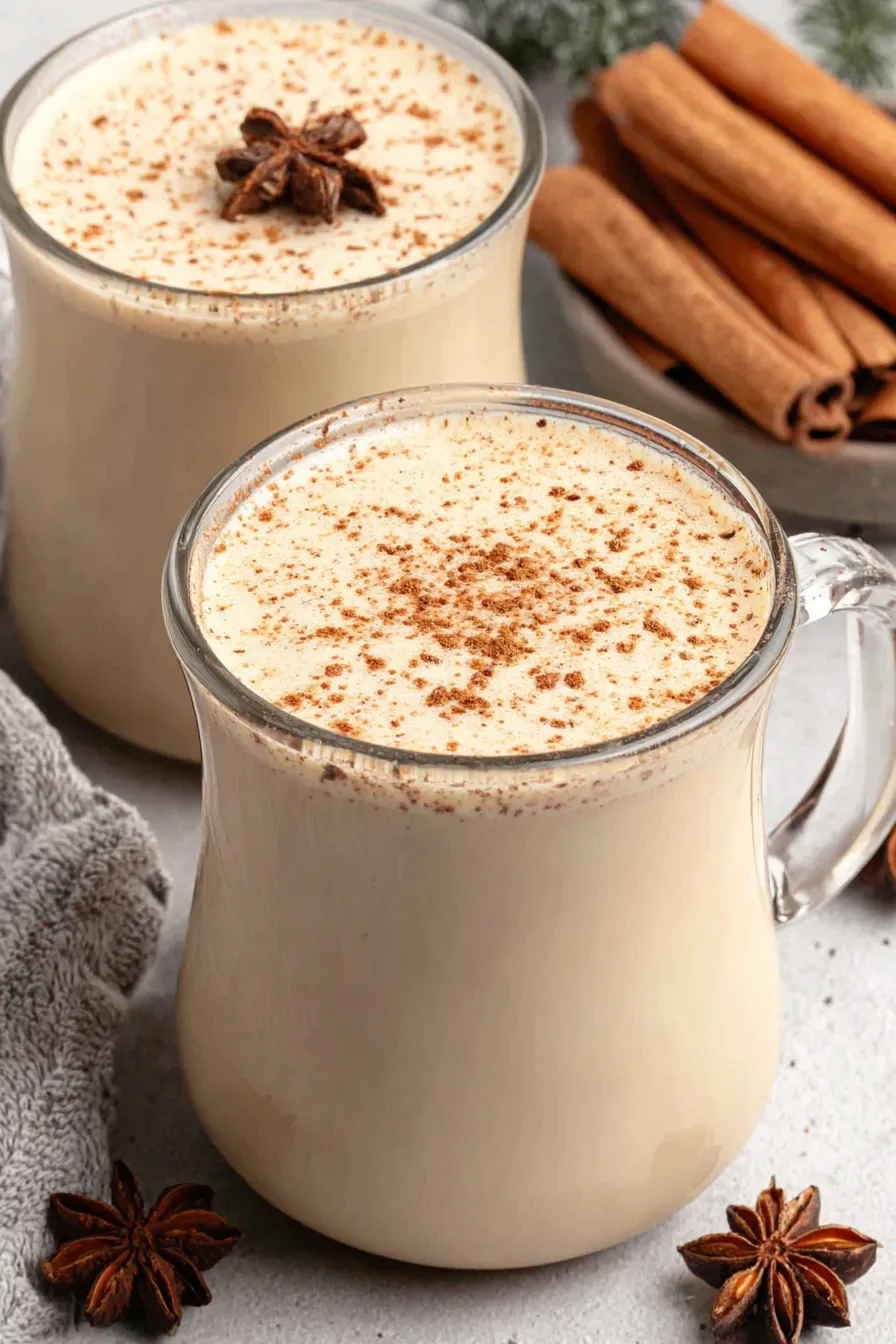
My favorite thing about this preparation is how the spices evolve overnight. On first tasting you notice the sugar and cream, then as it chills the cinnamon and nutmeg become more pronounced. Once I served this at a holiday brunch and several guests asked for seconds and thirds, commenting that the texture reminded them of a light custard. That moment of shared enjoyment is why I keep returning to this recipe every season.
Store the eggnog in an airtight container or glass bottle in the refrigerator at 40 degrees Fahrenheit or below. It will keep well for up to 3 days when prepared with fresh eggs and properly cooked to the recommended temperature. If you added alcohol, it may extend quality slightly but still consume within 4 days. Avoid leaving it at room temperature for more than two hours. To reheat gently for a warm serving, warm in a saucepan over low heat without boiling and stir constantly. Do not freeze the finished drink as the cream will separate and turn grainy when thawed. Label containers with the preparation date so you serve it at peak freshness.
If you need to lighten the drink, substitute half the heavy cream with whole milk or use 1 cup heavy cream plus 1 cup half and half for a still-creamy texture with fewer calories. For dairy-free options, use full-fat coconut milk for the heavy cream and an oat milk for the milk component; note this will alter the flavor profile and mouthfeel. Swap spiced rum for dark rum or bourbon depending on whether you want cinnamon-clove notes or caramel-vanilla warmth. To reduce sugar, start with 3/4 cup and sweeten to taste after chilling. If you cannot use raw yolks, ensure you cook to 160 to 170 degrees Fahrenheit or use pasteurized eggs to reduce risk.
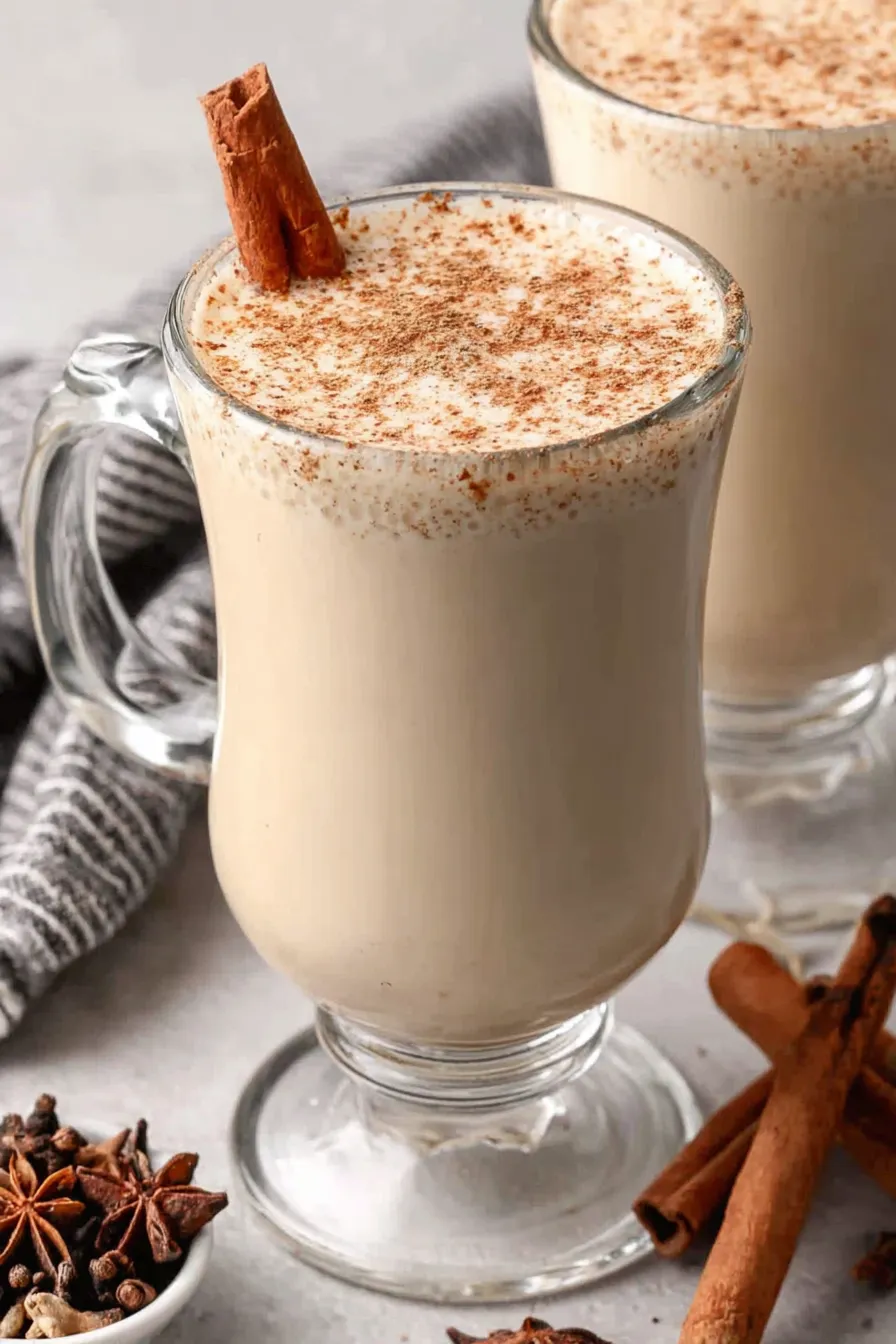
Serve eggnog chilled in small cups or heatproof glasses with a light sprinkle of freshly grated nutmeg or a cinnamon stick as a garnish. Pair with rich winter desserts such as pecan pie, gingerbread, or shortbread to echo the warm spices. For a brunch setting, offer coffee and this eggnog as an alternative drink and set out small bowls of grated nutmeg and cinnamon for guests to customize. For an adult crowd, top with a splash of extra rum or a float of whipped cream. For family-friendly serving, omit alcohol and provide warm apple cider alongside for those who prefer non-dairy options.
Eggnog traces its roots to medieval European posset and syllabub, warm dairy and wine mixtures enjoyed by households of various classes. The drink crossed the Atlantic and evolved in North America into the egg-and-dairy-based beverage associated with colonial gatherings where rum and other spirits were popular. Over time it became a holiday staple, particularly in the United States and Canada, with regional variations incorporating different spirits or spices. This version respects the traditional custard technique while using modern safety practices such as tempering and cooking to ensure a smooth, safe finish.
In winter add warming spices such as star anise and a pinch of cardamom for a bolder flavor. For a lighter spring or summer version, reduce the heavy cream and fold in whipped cream for a frothier texture without the weight. For holiday parties, divide into batch jars and spike individual servings so guests can choose their strength. For Thanksgiving, incorporate a touch of maple syrup in place of some sugar to highlight autumn ingredients. During cold snaps warm gently with a splash of warmed milk for cozy late-night servings.
Make the custard base a day ahead and chill thoroughly before adding cream and alcohol. Prepare in glass bottles or airtight jars and label with date and any alcohol content. For portioned grab-and-go servings, pour into 8-ounce bottles and refrigerate; these are convenient for transporting to gatherings. When reheating, do so slowly and avoid boiling to keep the texture silky. If serving a crowd, double the recipe and keep one pitcher chilled while stirring the rest occasionally to maintain even texture.
There is a special comfort in serving a bowl of homemade eggnog to friends and family. This recipe combines reliable technique with flexible options, inviting you to make it your own and to share those warm holiday memories. Cheers to cozy evenings and the joy of good company.
Temper egg yolks by slowly whisking hot milk into them to prevent curdling and produce a smooth custard.
Strain the cooked custard through a fine mesh sieve to remove any cooked bits and whole cloves for a silky texture.
Chill the mixture overnight when possible so the flavors meld and the texture firms for a better mouthfeel.
This nourishing homemade eggnog recipe is sure to be a staple in your kitchen. Enjoy every moist, high protein slice — it is perfect for breakfast or as a wholesome snack any time.
Cooking the tempered egg mixture to 160 to 170 degrees Fahrenheit ensures the egg yolks are safely cooked and results in a creamy custard base that will not be runny.
Store in the refrigerator in an airtight container for up to 3 days. If you add alcohol the flavor may hold slightly longer but still aim to finish within 4 days.
This Homemade Eggnog recipe makes perfectly juicy, tender, and flavorful steak every time! Serve with potatoes and a side salad for an unforgettable dinner in under 30 minutes.
Combine milk and whole spices in a saucepan and warm over medium heat until steaming but not boiling. Infuse for about five minutes and remove from heat.
Whisk egg yolks and sugar until pale and slightly thickened to add air and structure to the base.
Slowly add hot milk to the egg mixture while whisking to avoid curdling and gradually raise the temperature of the yolks.
Return to the saucepan and cook over medium-low, stirring constantly until it coats the back of a spoon, targeting 160 to 170 degrees Fahrenheit.
Strain the custard through a fine sieve to remove cloves and any solids, then cool at room temperature for about one hour before adding cold ingredients.
Whisk in heavy cream, vanilla extract, and optional spiced rum or bourbon once cooled. Adjust seasoning and sweetness to taste.
Refrigerate for at least three hours, preferably overnight, then serve cold with a dusting of nutmeg or a cinnamon stick garnish.
Last Step: Please leave a rating and comment letting us know how you liked this recipe! This helps our business to thrive and continue providing free, high-quality recipes for you.
Leave a comment & rating below or tag
@epicula on social media!
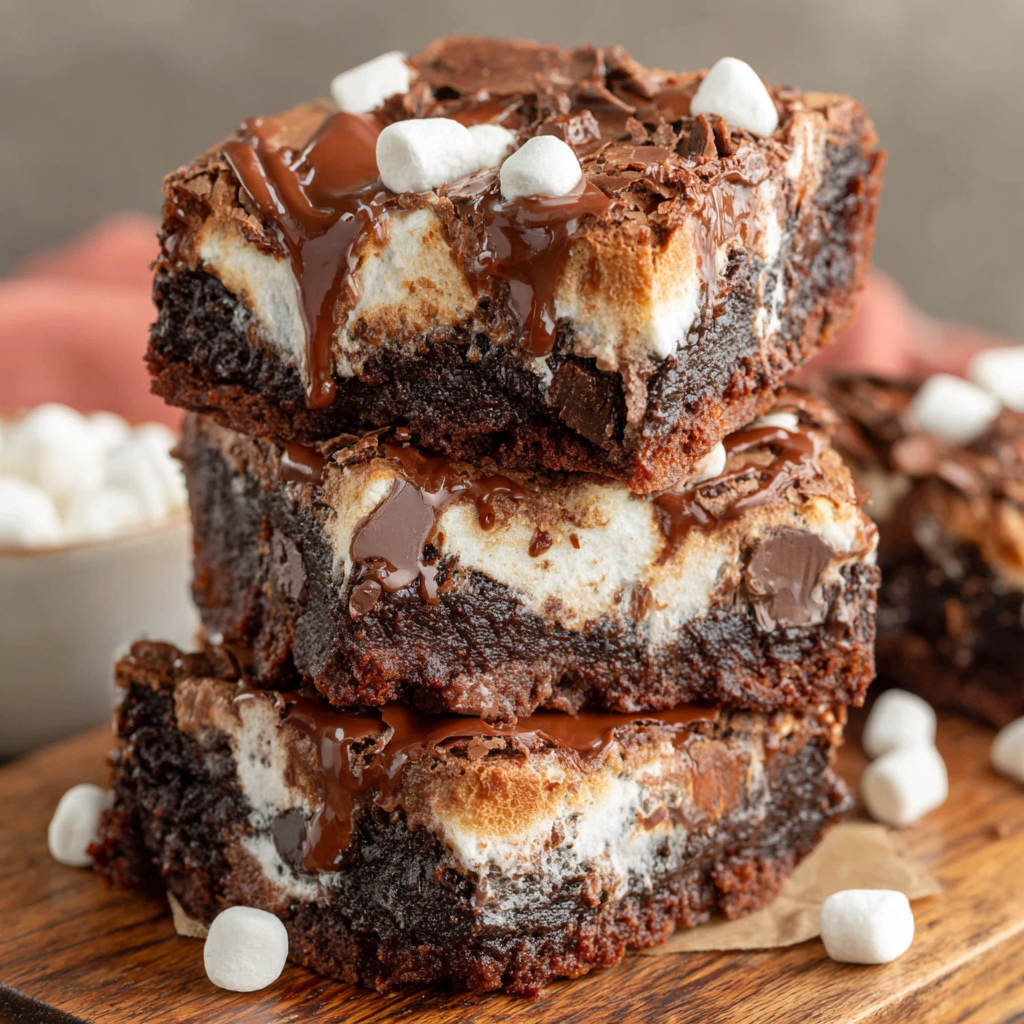
Ultra-fudgy brownies crowned with toasted mini marshmallows and warm cocoa icing, with molten chocolate pockets in every bite.
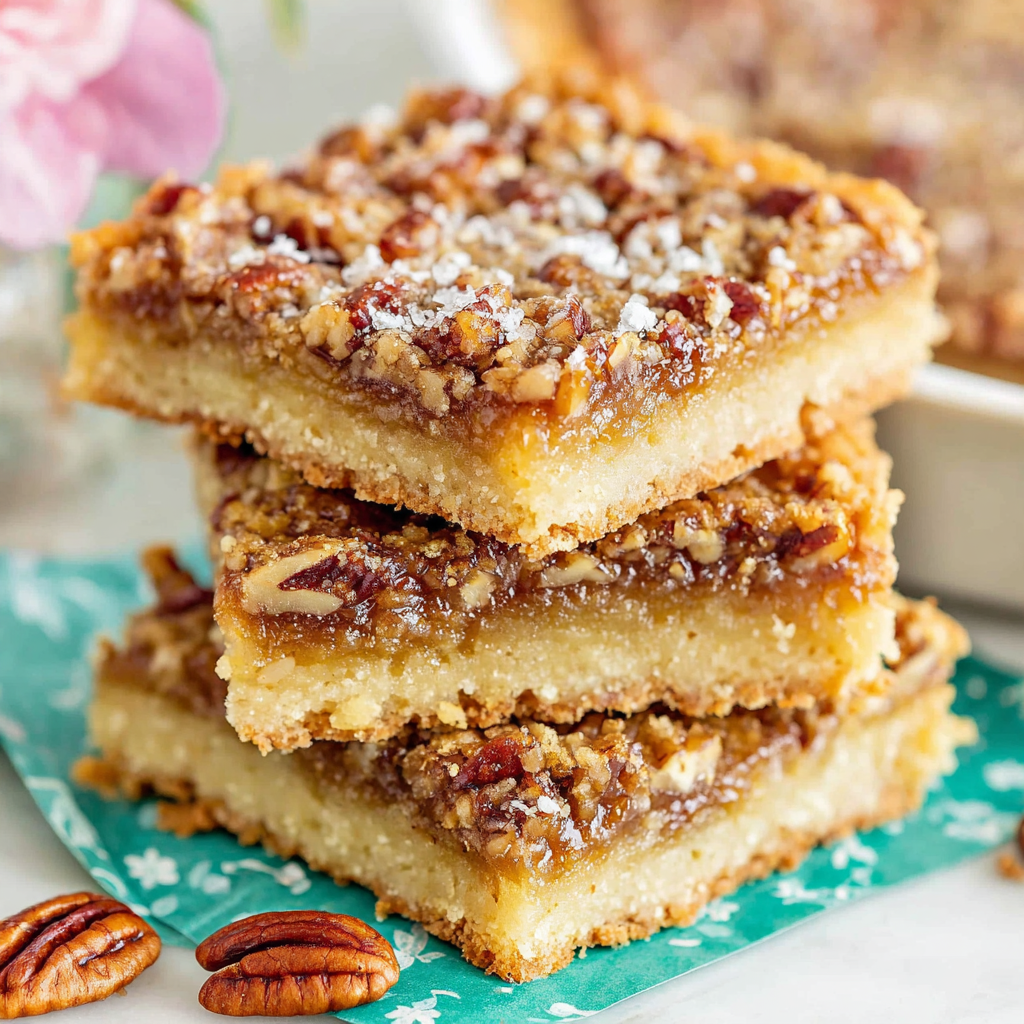
Buttery shortbread crust topped with a gooey brown sugar pecan filling. Just 10 minutes to prep for bakery-worthy bars with irresistible crunch.
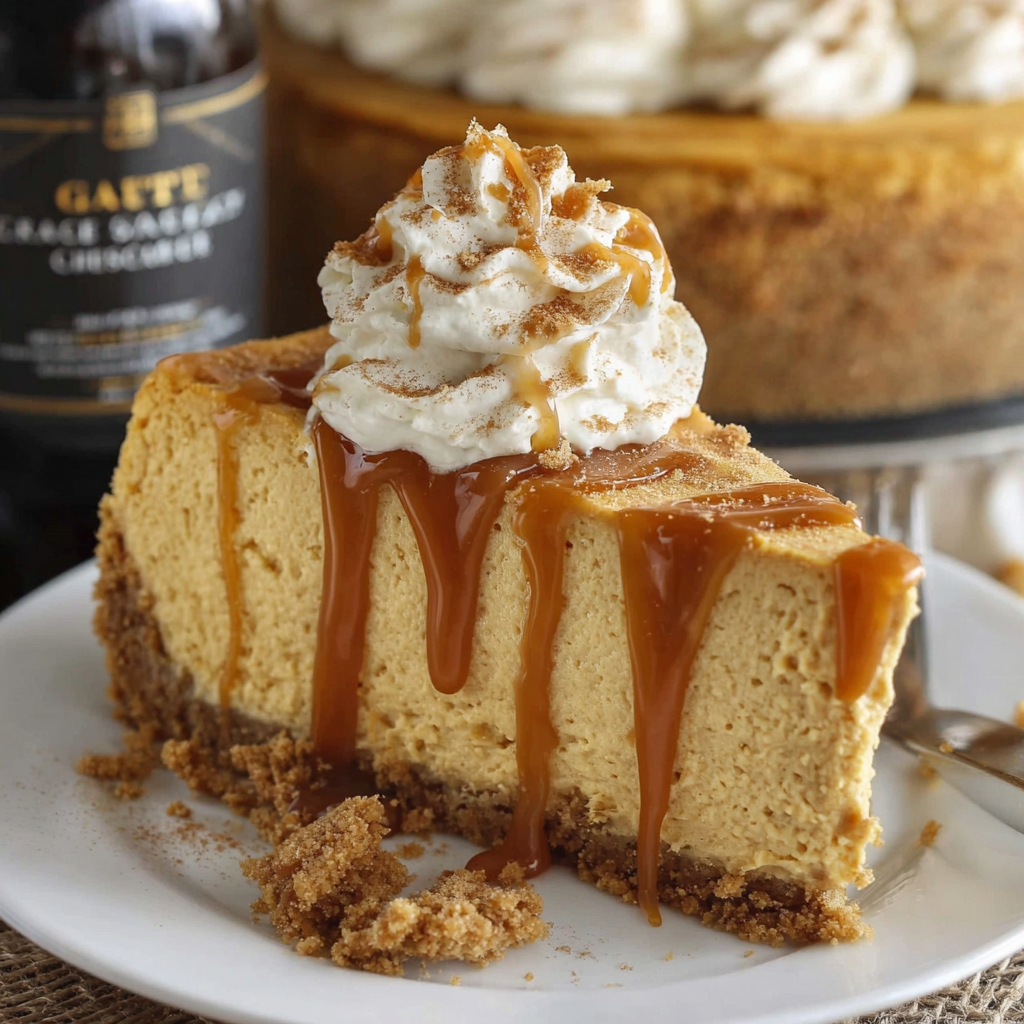
Ultra-creamy pumpkin cheesecake with a graham crust, bakes without cracks, and shines with caramel and rum-kissed whipped cream.
Leave a comment & rating below or tag @epicula on social media!
Enjoyed this recipe? Share it with friends and family, and don't forget to leave a review!
This recipe looks amazing! Can't wait to try it.
Comments are stored locally in your browser. Server comments are displayed alongside your local comments.

Join to receive our email series which contains a round-up of some of our quick and easy family favorite recipes.