>>

Light, naturally sweet pancakes made with mashed sweet potato and almond flour — gluten-free, dairy-free, and ready in under 20 minutes.
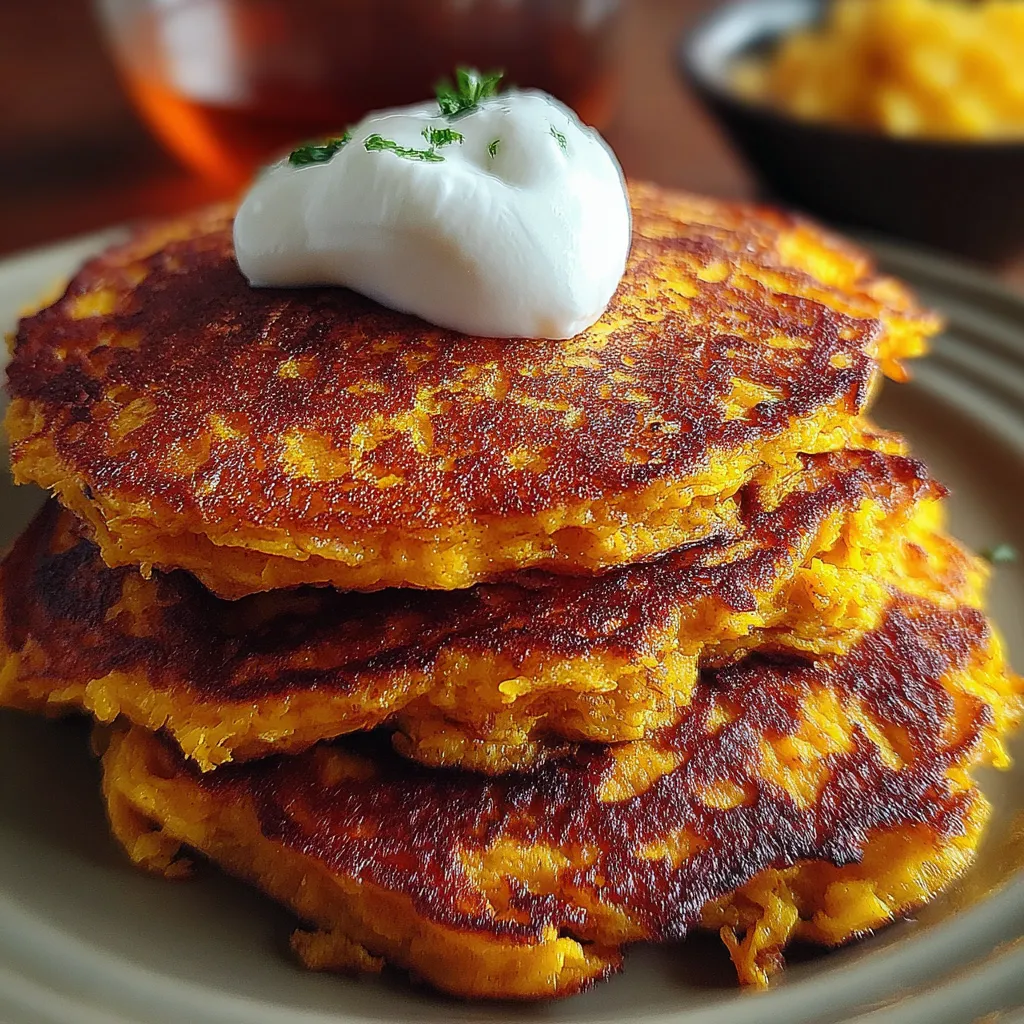
This sweet potato pancake recipe has been a quiet weekday hero in my kitchen ever since a sleepy Sunday morning inspired me to use up leftover mashed sweet potato. I discovered the combination the way many great home-cooking ideas appear: with a few pantry staples and a willingness to experiment. The result was a stack of tender, slightly caramelized pancakes with a soft interior and a warm, aromatic cinnamon note. They struck the perfect balance between breakfast comfort and a healthful treat, and my partner immediately declared them worth repeating.
What makes these especially appealing is the texture: the almond flour creates a delicate crumb while the sweet potato keeps the cakes moist without the need for dairy. The eggs bind everything and give a gentle lift when you cook them in a non-stick skillet. Whether you want a gluten-free morning option, a protein-forward snack, or a crowd-pleasing brunch item, these cakes are adaptable and straightforward. I often double the batch for guests and serve them with a smear of Greek-style yogurt or a drizzle of maple syrup when hosting; for everyday mornings, a simple pat of butter substitute keeps things light.
When I first made these, my 10-year-old declared them "better than boxed pancakes," which is high praise in our house. Over several mornings I refined the timing and batter consistency, learning to cook them gently so they brown without drying. They travel well to picnics and taste great warmed in a toaster oven with a sprinkle of cinnamon.
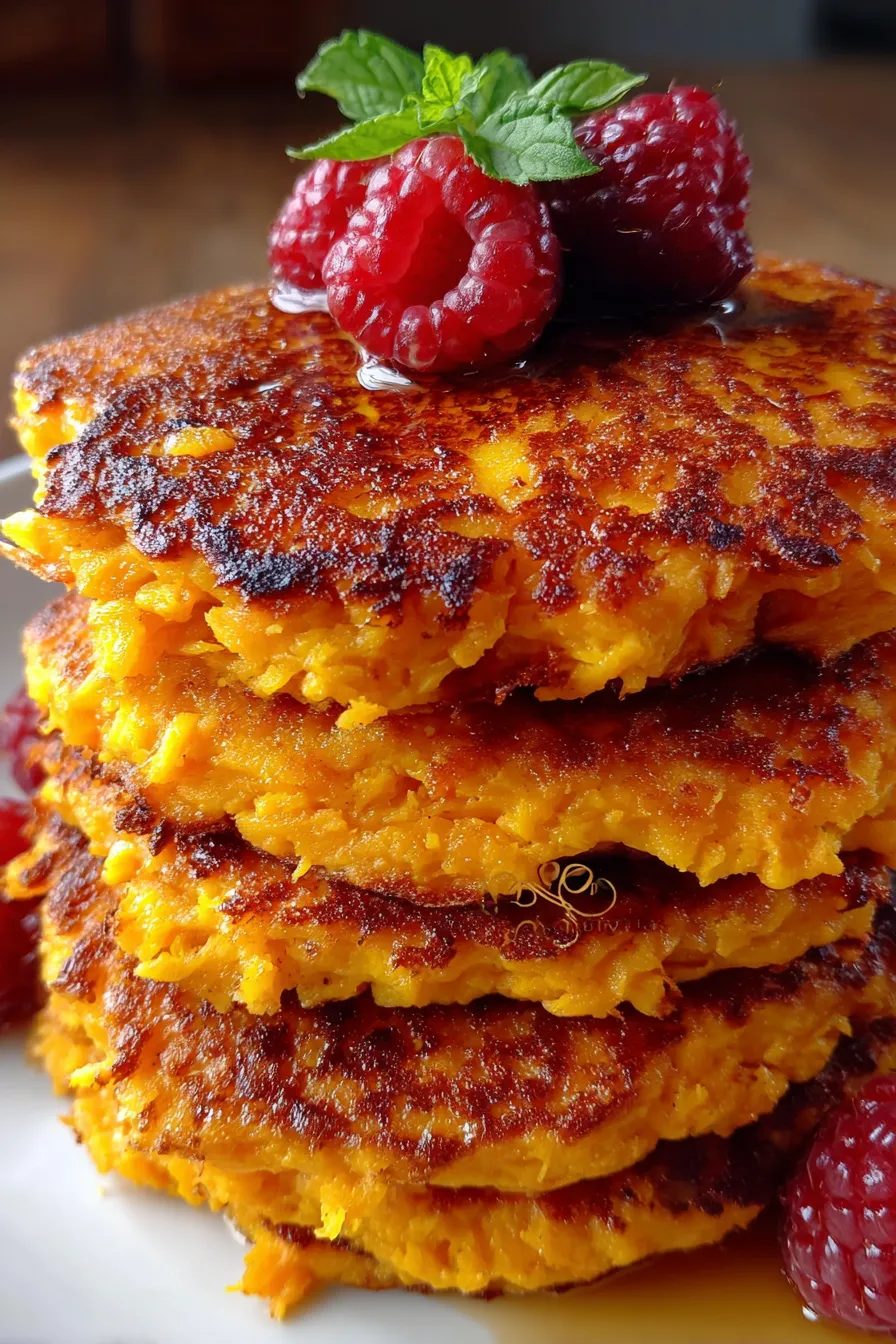
My favorite part of this preparation is how forgiving it is: minor variations in mash moisture or almond flour brand still yield lovely pancakes. Family members often request them during holiday brunches as a lighter alternative to heavy stacks, and they travel well to potlucks when kept warm in a low oven.
To maintain texture and flavor, let cooked cakes cool to room temperature before storing. Place in an airtight container lined with a paper towel to absorb excess moisture and refrigerate for up to three days. For longer storage, layer parchment between cakes and freeze in a resealable bag for up to three months. Reheat from frozen in a toaster oven set to 350 degrees Fahrenheit for 6–8 minutes or warm gently in a skillet to restore crisp edges. Avoid microwaving for long periods as this can make them rubbery.
If almond flour is unavailable, finely ground oat flour can be used for a similar texture, though the cakes will no longer be nut-free and the flavor will be earthier. For a nut-free version, try 1/2 cup sunflower seed flour (be mindful of discoloration when combined with sweet potato); if you need to make them vegan, swap eggs for a flax-egg (2 tablespoons ground flaxseed + 6 tablespoons water) but expect a denser finish. Use pumpkin puree as a seasonal swap for sweet potato, keeping quantities the same.
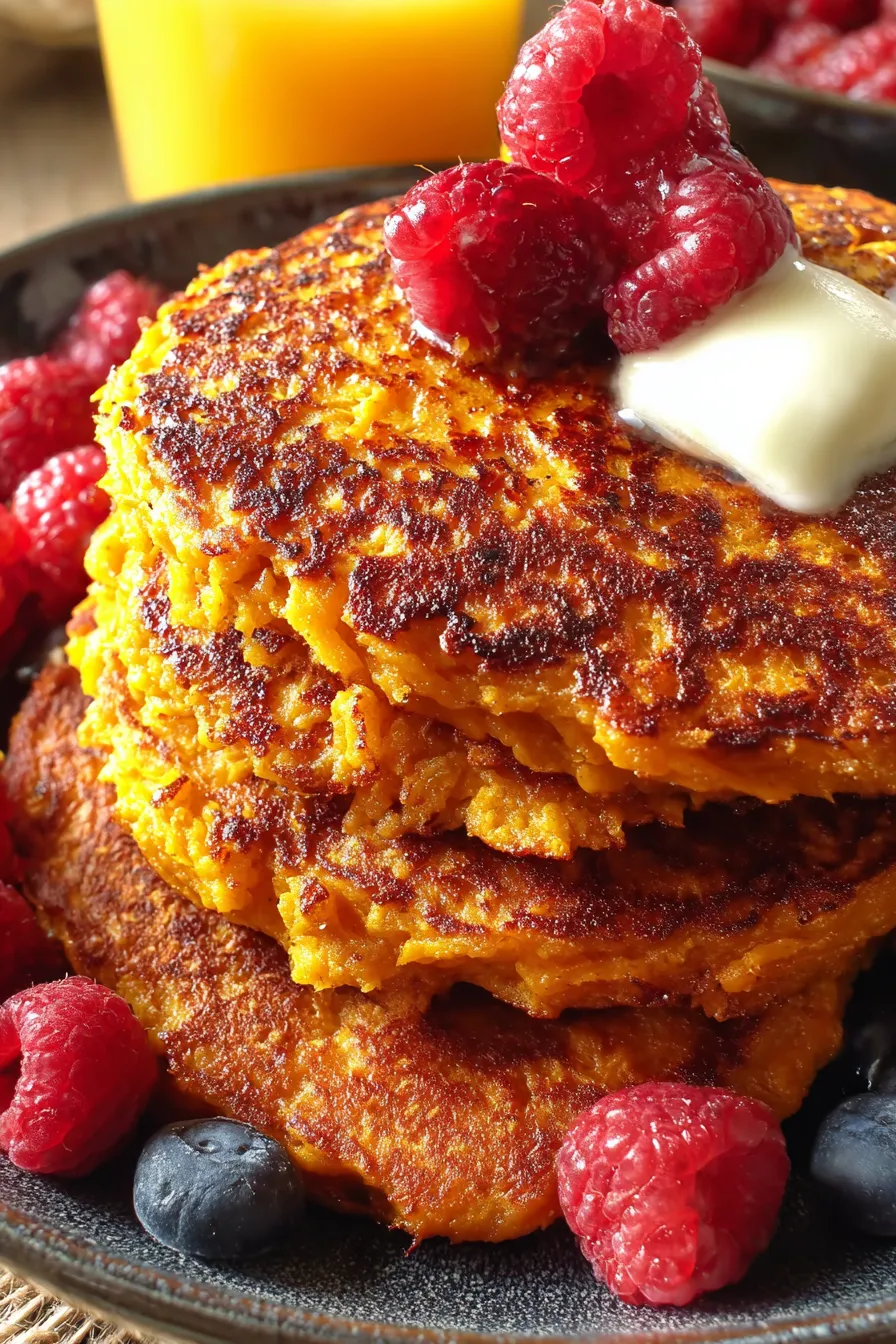
These cakes pair beautifully with both sweet and savory accompaniments. For a simple breakfast, top with a drizzle of pure maple syrup and a scattering of toasted pecans. For a more savory plate, add a dollop of herbed yogurt and smoked salmon or a fried egg. They also make a lovely base for a brunch board alongside roasted fruit, nuts, and citrus wedges. Garnish with a light dusting of cinnamon or a few fresh herb leaves for balance.
Sweet potato has a long culinary history in many cultures, from West African and Caribbean cuisines to Southern American traditions where it appears in both sweet and savory applications. Transforming root vegetables into batter-based cakes taps into a global tradition of using tubers for structure and sweetness — think Japanese sweet potato pancakes and baked root-vegetable fritters. This version draws from those influences while embracing modern dietary preferences for gluten-free and grain-free alternatives.
In autumn and winter, boost warming spices with a pinch of nutmeg and cloves and serve with spiced apple compote. In spring and summer, lighten the plate with citrus-marinated berries and a scoop of chilled ricotta or coconut yogurt. For holiday gatherings, add a tablespoon of orange zest to the batter and top with maple cardamom butter to create a festive centerpiece.
Double the batter and cook two batches at once, then cool and freeze in single portions. Use parchment between cakes and store in freezer-safe bags for quick weekday breakfasts. Pack them with a small container of yogurt and fruit for a balanced grab-and-go meal. When reheating, a low oven or toaster oven maintains texture better than the microwave.
These cakes are a small but satisfying way to bring seasonal vegetables to the table at any meal. I encourage you to make them your own — switch spices, try different toppings, and share them with friends. The simplicity of the method makes room for creativity and reliable results.
Use room-temperature eggs for easier blending and a lighter texture.
Avoid over-mixing after adding almond flour; stir until just combined for tender cakes.
Heat the skillet to medium, not high — medium-low will prevent over-browning while allowing centers to cook.
If using a cast-iron pan, preheat thoroughly and wipe with a thin film of oil to prevent sticking.
This nourishing sweet potato pancakes (gluten-free) recipe is sure to be a staple in your kitchen. Enjoy every moist, high protein slice — it is perfect for breakfast or as a wholesome snack any time.
Yes. Cooked cakes can be refrigerated in an airtight container for up to 3 days. For longer storage, freeze for up to 3 months and reheat in a toaster oven.
Use ripe, well-cooked and mashed sweet potato for the smoothest texture. If the batter is too thick, add a teaspoon of water or milk alternative until spoonable.
This Sweet Potato Pancakes (Gluten-Free) recipe makes perfectly juicy, tender, and flavorful steak every time! Serve with potatoes and a side salad for an unforgettable dinner in under 30 minutes.
Whisk two large eggs in a mixing bowl until frothy, then add 3/4 cup smooth mashed sweet potato and whisk until the mixture is uniform and spoonable.
Stir in 1/2 cup almond flour, 1/2 teaspoon ground cinnamon and 1/2 teaspoon baking powder until just combined, avoiding over-mixing to keep a tender texture.
Heat a non-stick skillet over medium heat and lightly oil the surface. Drop 2–3 tablespoon portions of batter onto the skillet and cook until edges set and underside is golden, about 2–3 minutes; flip and cook another 1.5–2 minutes until set.
Transfer to a plate and keep warm if making batches. Store cooled cakes in an airtight container in the refrigerator for up to 3 days or freeze layered with parchment for up to 3 months.
Last Step: Please leave a rating and comment letting us know how you liked this recipe! This helps our business to thrive and continue providing free, high-quality recipes for you.
Leave a comment & rating below or tag
@epicula on social media!
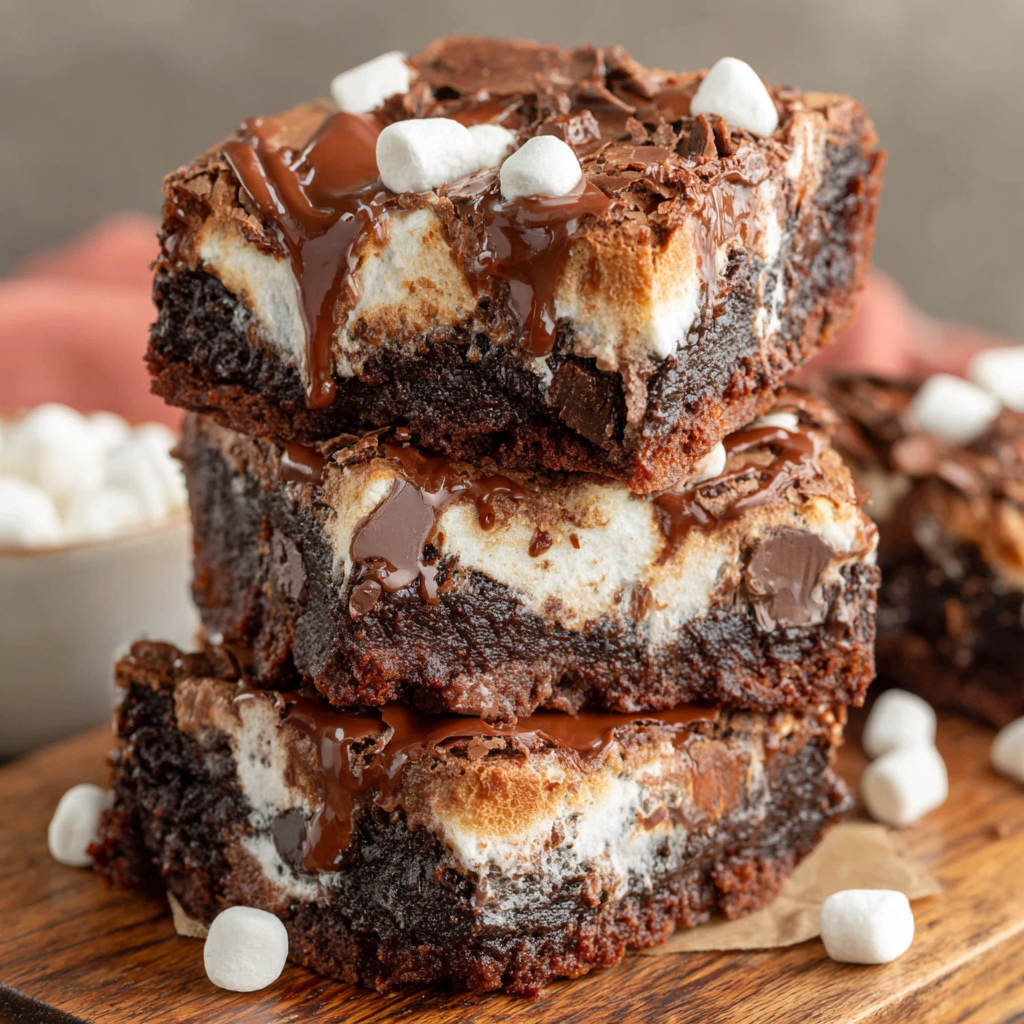
Ultra-fudgy brownies crowned with toasted mini marshmallows and warm cocoa icing, with molten chocolate pockets in every bite.
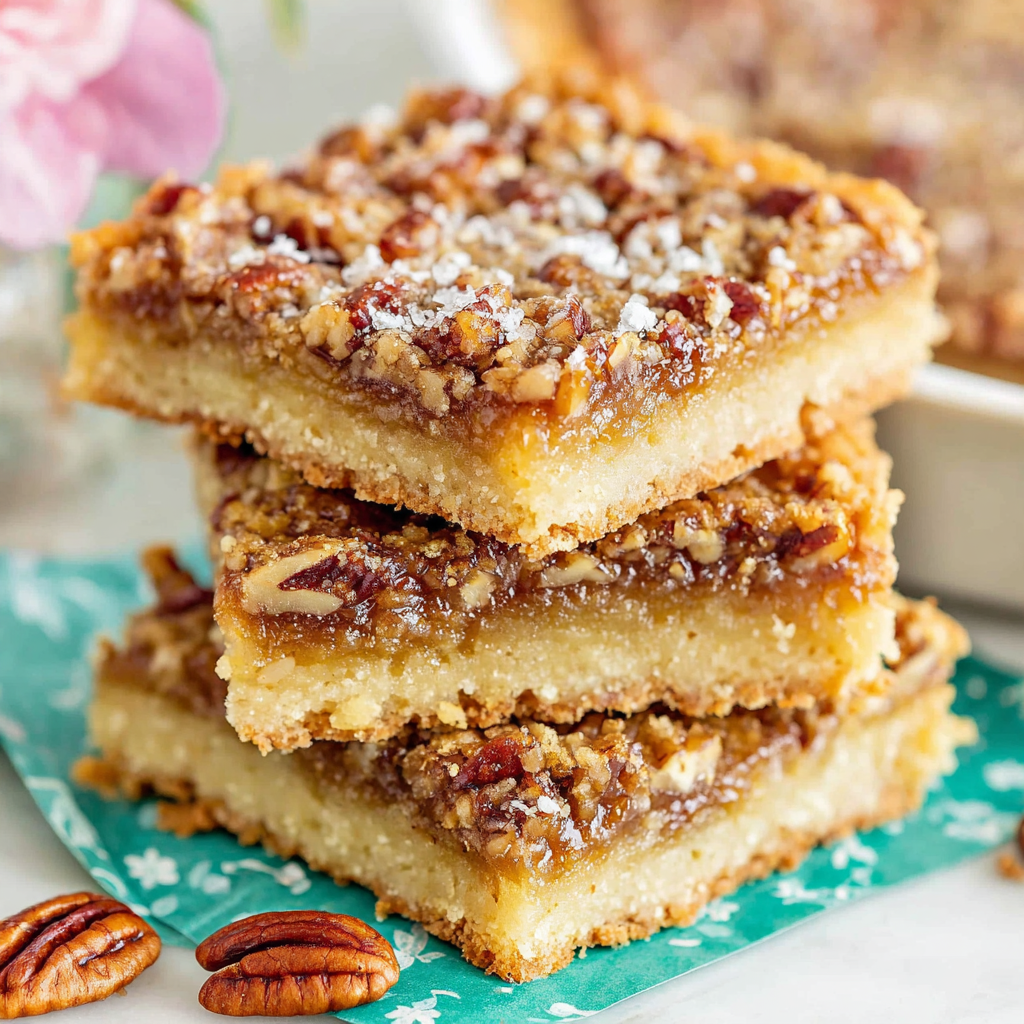
Buttery shortbread crust topped with a gooey brown sugar pecan filling. Just 10 minutes to prep for bakery-worthy bars with irresistible crunch.
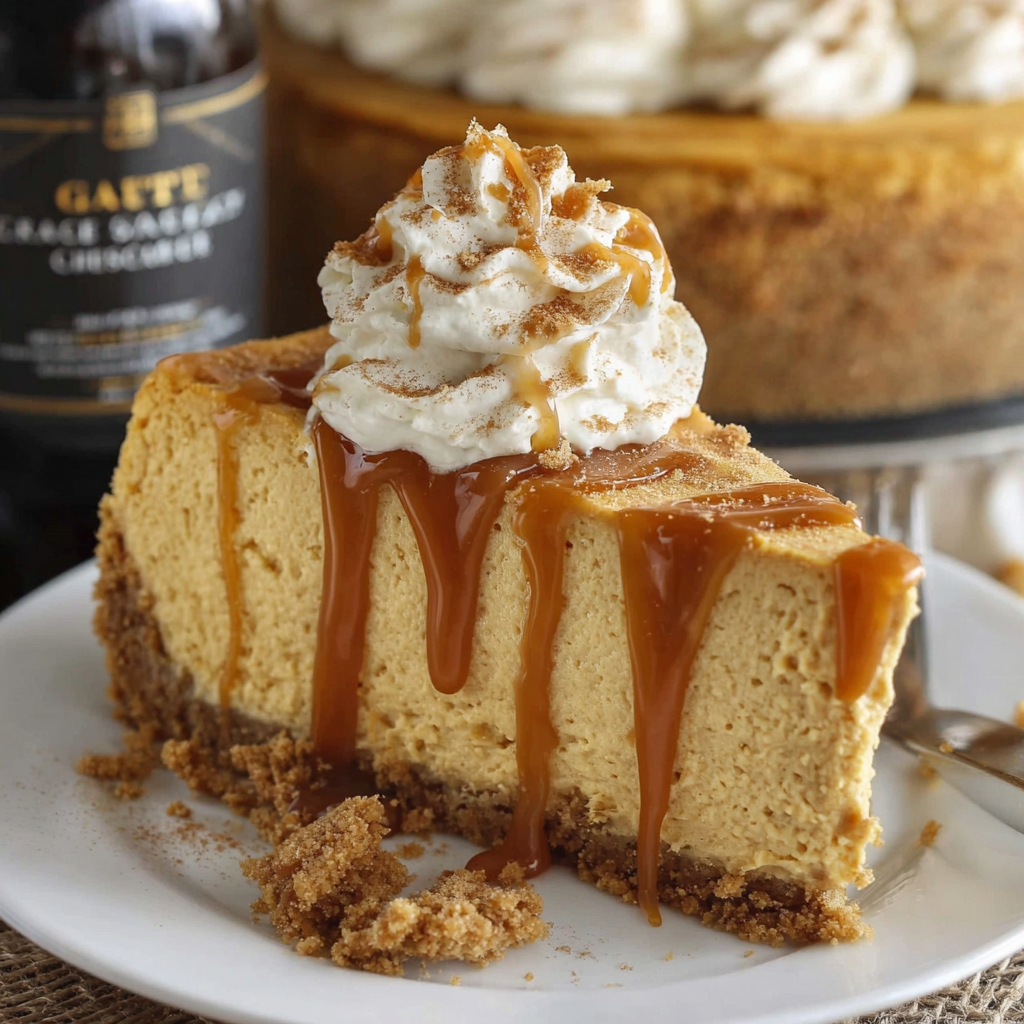
Ultra-creamy pumpkin cheesecake with a graham crust, bakes without cracks, and shines with caramel and rum-kissed whipped cream.
Leave a comment & rating below or tag @epicula on social media!
Enjoyed this recipe? Share it with friends and family, and don't forget to leave a review!
This recipe looks amazing! Can't wait to try it.
Comments are stored locally in your browser. Server comments are displayed alongside your local comments.
Join to receive our email series which contains a round-up of some of our quick and easy family favorite recipes.